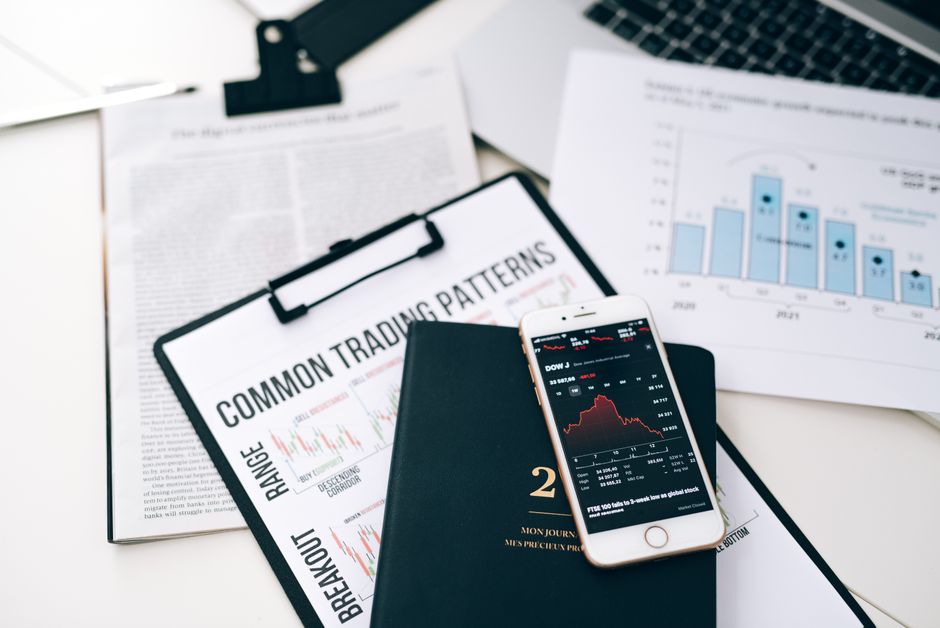
The stock market can feel like a rollercoaster, doesn’t it? One day, it seems like everyone is talking about incredible gains, and the next, there’s chatter about sky-high valuations and potential downturns. It’s easy to get swept up in the excitement or the anxiety, especially when headlines suggest the market might be more expensive than ever before. For many everyday Americans, these big-picture market discussions can feel distant, but they actually have a direct impact on your retirement savings, your kids’ college funds, and your overall financial peace of mind.
You’re probably wondering, “If the market is so expensive, what should I do with my investments?” It’s a valid concern. When valuations are elevated, it means you might be paying a premium for company shares, which could lead to lower future returns or increased risk if a market correction occurs. But withdrawing from the market entirely often isn’t the best solution, as you could miss out on future growth. The key is to understand how to invest in a high-valuation stock market without taking excessive risk, ensuring your financial goals stay on track no matter what the market does.
Understanding “High Valuation” and Why It Matters
When financial experts talk about a “high-valuation” stock market, they’re essentially saying that the price of stocks, on average, seems high compared to the underlying earnings or assets of the companies. Think of it like buying a house: if a house in your neighborhood is selling for significantly more than comparable homes, even with similar features and income potential (like rental value), you might say it has a “high valuation.”
In the stock market, common metrics like the Price-to-Earnings (P/E) ratio are used. A high P/E ratio means investors are paying a lot for each dollar of a company’s past or projected earnings. While high valuations don’t automatically mean a crash is imminent, they do suggest that future returns might be more modest, and the market could be more sensitive to negative news or economic shifts. For you, this means it’s a time to be thoughtful and strategic, rather than impulsive.
Why a Thoughtful Approach is Crucial Now
Ignoring market valuations entirely can be risky. If you’re consistently investing without considering the current environment, you might be buying into assets at peak prices, only to see their value decline shortly thereafter. This doesn’t mean you should time the market – trying to perfectly predict tops and bottoms is a fool’s errand for even professional investors. Instead, it means adjusting your strategy to emphasize resilience and long-term stability.
A thoughtful approach helps you avoid emotional decisions driven by fear or greed. It encourages you to stick to your financial plan, diversify your investments, and understand the underlying quality of what you own. In a high-valuation market, this approach isn’t about avoiding investing altogether, but about investing smarter and with a clearer understanding of potential risks and rewards.
Actionable Steps to Invest Smart in Today’s Market
Navigating a high-valuation market requires a blend of prudence and persistence. Here are 3 concrete, realistic, and actionable steps you can take to invest in a high-valuation stock market without taking excessive risk.
1. Reassess Your Asset Allocation and Risk Tolerance
Your asset allocation is simply how your investment portfolio is divided among different asset classes, primarily stocks, bonds, and cash. It’s the most critical factor in determining your long-term returns and risk level. In a high-valuation market, it’s an excellent time to revisit this mix.
Understand Your True Risk Tolerance: Are you genuinely comfortable with significant market swings, or do drops cause you undue stress? Be honest with yourself. Your risk tolerance isn’t just about what you say you can handle; it’s about what you actually* can handle emotionally and financially. If a 20% market dip would keep you awake at night, your current allocation might be too aggressive.
- Consider Your Time Horizon: If you’re 20 years from retirement, you have more time to recover from potential downturns than someone who is 5 years away. Longer time horizons generally allow for a higher allocation to stocks.
- Rebalance Your Portfolio: Over time, your initial asset allocation can drift. For example, if stocks have performed exceptionally well, they might now represent a larger percentage of your portfolio than you originally intended. Rebalancing means selling some of your outperforming assets (like stocks) and buying more of your underperforming ones (like bonds) to bring your portfolio back to your target allocation. This is a disciplined way to “buy low and sell high” and reduce risk without trying to time the market.
* Example: If your target is 60% stocks and 40% bonds, but stocks have surged and now make up 70% of your portfolio, you would sell some stocks and buy bonds until you’re back to 60/40. This naturally trims your exposure to potentially overvalued assets.
2. Focus on Quality and Diversification Beyond Just Stocks
When the market is expensive, the difference between a solid, financially healthy company and a speculative one becomes even more pronounced. This is where focusing on quality comes in, alongside broadening your diversification strategy.
- Invest in Quality Companies: Look for companies with strong balance sheets (low debt), consistent earnings growth, stable cash flows, competitive advantages (like a unique product or brand loyalty), and experienced management. These “blue-chip” companies tend to be more resilient during market downturns. While their growth might not be as explosive as some speculative stocks, their stability can offer a safer harbor.
* How to do it: If you invest in individual stocks, research these fundamentals. If you use mutual funds or ETFs, choose those that focus on quality companies or have a proven track record of weathering different market cycles.
Broaden Your Diversification: Don’t just diversify across different stocks; diversify across different types* of investments and geographies.
* Beyond U.S. Stocks: While U.S. stocks have seen significant growth, other markets might offer better value. Consider international stocks (developed and emerging markets) to spread your risk and capture growth opportunities elsewhere.
* Alternative Asset Classes: Bonds are a classic diversifier, providing stability and income, especially during stock market volatility. High-quality corporate bonds or U.S. Treasury bonds can be good options. Real estate (through REITs, Real Estate Investment Trusts, which trade like stocks) can also offer diversification and inflation protection.
* Consider Value vs. Growth: In a high-valuation market often driven by growth stocks, consider allocating a portion to “value” stocks – companies that appear to be undervalued by the market relative to their intrinsic worth. These can offer a cushion if growth stocks pull back.
- Dollar-Cost Averaging: This strategy involves investing a fixed amount of money at regular intervals (e.g., $200 every month) regardless of whether the market is up or down. This way, you buy more shares when prices are low and fewer shares when prices are high, averaging out your purchase price over time. It removes emotion from investing and is particularly effective in volatile or high-valuation markets, as it prevents you from putting all your money in at a potential peak.
3. Build a Robust Emergency Fund and Manage Debt
While these aren’t direct investment strategies, they are foundational to your financial security and become even more critical in an expensive and potentially volatile market. A strong financial base reduces the need to sell investments at an inopportune time.
- Beef Up Your Emergency Fund: Aim for at least 6 to 12 months’ worth of essential living expenses in an easily accessible, high-yield savings account. This fund acts as a buffer against unexpected job loss, medical emergencies, or large home repairs. If you don’t have this safety net, you might be forced to sell investments during a market downturn to cover expenses, locking in losses.
- Prioritize High-Interest Debt Repayment: Credit card debt and other high-interest loans are a guaranteed negative return on your money. Paying them off provides a guaranteed “return” equal to the interest rate you avoid. In a market where future investment returns might be lower, eliminating high-cost debt becomes an even more attractive “investment.” Think of it as de-risking your personal balance sheet.
- Maintain Liquidity: Beyond your emergency fund, consider having some additional cash or highly liquid investments (like short-term CDs) that you could access if needed. This prevents you from being forced to liquidate long-term investments that you’ve earmarked for retirement or other distant goals.
The Long Game: Patience and Perspective
It’s tempting to react strongly to headlines about market valuations, but successful investing is rarely about reacting. It’s about having a well-thought-out plan, sticking to it, and making calm, rational adjustments as circumstances evolve. Even in a high-valuation environment, the stock market remains one of the most powerful tools for building long-term wealth.
By reassessing your risk tolerance, diversifying wisely, focusing on quality, and shoring up your personal finances, you can confidently invest in a high-valuation stock market without taking excessive risk. Remember, wealth is built steadily over time, not through dramatic gambles. Stay diversified, stay disciplined, and keep your long-term goals in sight.
What steps are you taking to manage your investments in the current market? Share your thoughts in the comments below!