
Life has a funny way of throwing curveballs when you least expect them. One minute you’re cruising along, feeling financially secure, and the next, your car breaks down, your pet needs an emergency vet visit, or you’re facing an unexpected medical bill. These aren’t just minor inconveniences; they can derail your budget, force you into debt, and create immense stress.
The good news is that you don’t have to live in constant fear of the unknown. By proactively building an emergency fund, you create a financial safety net that catches you when life’s unexpected expenses try to knock you down. It’s about more than just money; it’s about peace of mind and the freedom to navigate challenges without sacrificing your long-term financial goals.
What Exactly is an Emergency Fund and Why Do You Need One?
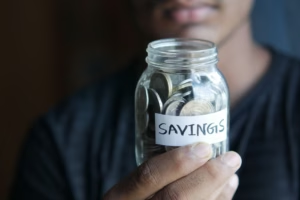
An emergency fund is a dedicated savings account specifically for unexpected expenses. Think of it as your personal financial airbag. It’s not for a new TV, a vacation, or even holiday gifts. Its sole purpose is to cover true emergencies – things like job loss, medical emergencies, major home repairs, or essential car repairs that prevent you from getting to work.
The primary goal of an emergency fund is to prevent you from going into debt when an unforeseen event occurs. Without one, you might be forced to put expenses on high-interest credit cards, take out a personal loan, or even deplete your retirement savings. These actions can set you back years financially. With an emergency fund, you can handle the unexpected without derailing your financial progress.
How Much Should Be In Your Emergency Fund?
Financial experts generally recommend having three to six months’ worth of essential living expenses saved in your emergency fund. For some, especially those with less job security, a single income household, or dependents, even 9 to 12 months might be more appropriate.
“Essential living expenses” means the bare minimum you need to survive:
- Housing: Rent or mortgage payment
- Utilities: Electricity, gas, water, internet
- Food: Groceries (not restaurant meals)
- Transportation: Car payment, insurance, gas, or public transit
- Healthcare: Insurance premiums, necessary prescriptions
- Minimum Debt Payments: Student loan minimums, credit card minimums (though the goal is to avoid adding to these)
To figure out your target, add up these non-negotiable monthly expenses and multiply by your desired number of months. For example, if your essential expenses are \$2,500 per month, a three-month fund would be \$7,500, and a six-month fund would be \$15,000. This might seem like a daunting number, but remember, you build it one step at a time.
Concrete Steps to Build an Emergency Fund Fast
Building an emergency fund can feel like climbing a mountain, but by breaking it down into manageable steps and committing to a plan, you can reach your goal faster than you think.
Step 1: Calculate Your Target and Set Up a Dedicated Account
Before you start saving, you need to know what you’re aiming for. As discussed, calculate your essential monthly expenses and decide on your 3-6 month target. Write this number down somewhere visible.
Next, open a separate, dedicated savings account for your emergency fund. This is crucial for two reasons:
- Separation: It keeps your emergency money distinct from your everyday checking and other savings goals (like a down payment or vacation). This reduces the temptation to dip into it for non-emergencies.
Accessibility: Choose a high-yield savings account (HYSA) at a different bank than your primary checking account. HYSAs offer better interest rates, helping your money grow a little faster, and having it at a separate institution adds a small barrier, making impulse withdrawals less likely. Ensure the account is FDIC-insured. While you want it accessible in an emergency, you don’t want it too* accessible for everyday spending.
Step 2: Automate Your Savings Contributions
This is arguably the most powerful step in building any savings, especially an emergency fund. Set up an automatic transfer from your checking account to your dedicated emergency fund savings account every payday.
Start with whatever you can realistically afford, even if it’s just \$25 or \$50 per pay period. The key is consistency. Once it’s automated, you’ll “pay yourself first” before you have a chance to spend the money elsewhere. As your income increases or you cut expenses, gradually increase the automated transfer amount.
- How to Automate: Log into your online banking portal or speak to your bank. You can usually set up recurring transfers with a specific amount and frequency.
- Consider a “Savings First” Mentality: Treat your emergency fund contribution like any other essential bill. It’s not optional money; it’s a mandatory payment to your future financial security.
Step 3: Slash Expenses and Find Extra Income Sources
To build an emergency fund fast, you need to accelerate your savings rate. This means finding more money to put into that dedicated account.
A. Aggressively Cut Discretionary Spending:
Go through your budget with a fine-tooth comb and identify areas where you can temporarily reduce or eliminate spending. This isn’t about permanent deprivation, but a focused sprint to build your buffer.
- Food: Cook at home more often, pack lunches, reduce restaurant meals and takeout. This is often the biggest budget buster for many.
- Entertainment: Cancel unused subscriptions, opt for free or low-cost activities (parks, libraries, free community events).
- Shopping: Put a moratorium on non-essential purchases like new clothes, gadgets, or home decor.
- Transportation: Carpool, walk, bike, or use public transport more often if feasible.
- Services: Temporarily pause non-essential services like manicures, massages, or premium streaming packages.
B. Boost Your Income:
Look for ways to bring in extra cash that can go directly into your emergency fund.
- Side Hustle: Deliver food, drive for a ride-share service, freelance your skills (writing, graphic design, web development), dog-walk, babysit, or tutor.
- Sell Unused Items: Declutter your home and sell clothes, electronics, furniture, or collectibles on platforms like eBay, Facebook Marketplace, or local consignment shops. Every dollar earned goes straight into your emergency fund.
- Overtime: If your job offers overtime, consider taking on extra shifts.
- Temporary Gig Work: Look for temporary or seasonal work that aligns with your schedule.
Step 4: Capture Windfalls and Unexpected Money
Anytime you receive a lump sum of money that isn’t already allocated to essential expenses, direct a significant portion (or all) of it straight into your emergency fund.
- Tax Refunds: Instead of treating your tax refund as “found money” for a splurge, use it to bolster your emergency savings.
- Bonuses or Raises: If you get a work bonus or a raise, commit to putting a percentage (or even the entire first few months of the raise) into your fund before you adjust your lifestyle to the new income.
- Gifts: Birthday money, holiday gifts from family, or other monetary gifts can be powerful accelerators for your emergency fund.
- Rebates or Reimbursements: Any money you get back from insurance, product rebates, or expense reimbursements can be funneled into savings.
Step 5: Prioritize Debt Repayment (After a Starter Fund)
While it might seem counterintuitive, it’s generally recommended to have a small “starter” emergency fund (e.g., \$1,000 to \$2,000) before aggressively paying down high-interest debt. This mini-fund acts as a buffer against new debt if an emergency strikes while you’re focused on debt repayment.
Once you have that starter fund, you can then prioritize paying down high-interest debt (like credit card balances) because the interest you save is a guaranteed return. After your high-interest debt is gone, shift your focus back to fully funding your emergency account to that 3-6 month target. This two-pronged approach ensures you’re protected from new debt while also eliminating old debt.
Maintaining Your Emergency Fund
Building your emergency fund is a significant accomplishment, but the work doesn’t stop there.
- Keep it Separate: Resist the urge to dip into your emergency fund for non-emergencies. This fund is sacred.
- Replenish When Used: If you do have to use your emergency fund, make it a priority to replenish it as quickly as possible. Treat it like a loan you’re paying back to yourself.
- Review Regularly: Re-evaluate your emergency fund amount periodically, especially if your essential expenses change (e.g., you move, have a child, or buy a new car).
Your Path to Financial Resilience
Building an emergency fund fast is more than just a financial strategy; it’s an investment in your peace of mind and overall well-being. It empowers you to face life’s inevitable challenges with confidence, knowing you have a safety net to fall back on. By taking these concrete steps – calculating your target, automating savings, cutting expenses, boosting income, and prioritizing wisely – you’re not just saving money, you’re building a foundation for a more secure and less stressful financial future. What steps will you take this week to start or grow your emergency fund?