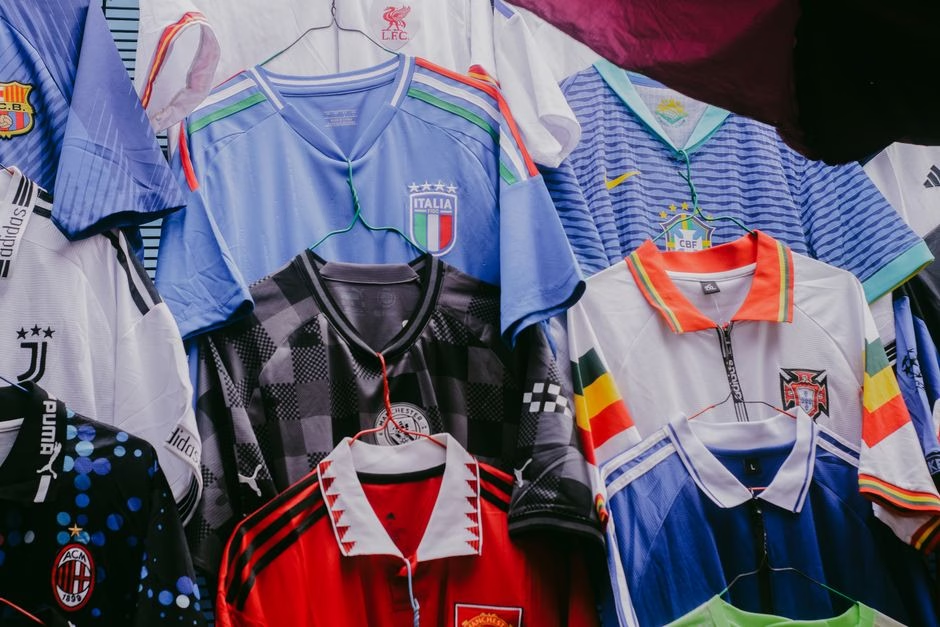
You’ve probably heard that the 2026 FIFA World Cup is coming to the United States, and if you’ve been scrolling through social media, you’ve seen the hype. But here’s what most people miss: while the tournament itself is a once-in-a-lifetime event, the real opportunity for your wallet isn’t about buying tickets or betting on games. It’s about understanding how this mega-event will reshape your local economy, job market, and spending habits—and then positioning yourself to benefit instead of getting caught in the financial squeeze.
The 2026 World Cup will pump billions into the U.S. economy. Hotels, restaurants, transportation, and construction jobs will boom. Travel and entertainment costs will spike. Your utility bills might even creep up. The question isn’t whether the World Cup will impact your finances—it absolutely will. The question is whether you’ll be ready.
This guide walks you through exactly how the tournament will affect your money, where the hidden costs and opportunities hide, and what you should do right now to come out ahead.
Where the World Cup Money Actually Goes (And Where Your Wallet Feels It)
The 2026 World Cup will be hosted across the United States, Canada, and Mexico, with 16 matches played in American cities including New York, Los Angeles, Dallas, and Kansas City. That infrastructure—from stadium upgrades to traffic management—costs real money that gets passed along to residents and visitors.
Direct spending by visitors is the headline number. International tourists, domestic fans, and families traveling to matches will spend money on hotel rooms, meals, transportation, and souvenirs. Cities hosting matches will see a temporary economic boom. But “temporary” is the key word. The spending spike lasts during the tournament and a few weeks before, then evaporates.
Construction and jobs create longer-lasting effects. Stadium upgrades, road improvements, and facility expansions mean hiring. If you live in or near a host city, this could mean job opportunities or wage pressure (which sounds good but often means rising costs of living eating into those wage gains).
Inflation in host cities is the less-fun reality. When millions of visitors flood a city expecting to spend freely, local businesses raise prices. Hotel rooms, restaurant meals, parking, and even groceries can jump 15-30% during major events. If you live in Dallas, Los Angeles, or another host city, you’ll feel this in your budget whether you attend a single match or not.
How Your Local Economy Changes (And Your Job Prospects With It)
If your city is hosting World Cup matches, the economic ripple effects will touch your paycheck and your cost of living.
Temporary Job Growth (With a Catch)
Hospitality, transportation, security, and retail will hire aggressively. Hotels need extra housekeeping staff. Restaurants need servers and kitchen help. Ride-sharing companies surge. Construction crews work overtime on infrastructure projects.
Here’s the catch: most of these jobs are short-term and seasonal. You might pick up a few months of extra work, but when the tournament ends, so does the hiring. If you’re thinking about pivoting careers or negotiating a raise in a host city, do it now, before the tournament inflates expectations and then deflates them.
The smart move: If you’re in a host city and underemployed, treat the World Cup hiring window (roughly six months before through the tournament month) as your shot at better work. Lock in a permanent role or build freelance clients before the temporary boom ends.
Rising Cost of Living in Host Cities
Landlords know visitors are coming. They know businesses are raising prices. Rent increases, service costs, and basic living expenses climb in the months leading up to and during the tournament.
If you’re month-to-month or renewing a lease between now and mid-2026, lock in your rate now. A six-month or one-year lease signed today will protect you from World Cup-driven price hikes. If you’re considering moving to a host city for work, push for a signing bonus that accounts for higher temporary costs, or negotiate remote work to give yourself flexibility.
Wage Pressure (That Doesn’t Always Help You)
Employers in host cities will compete for workers, which sounds good. But rising wages often mean rising prices, and your paycheck doesn’t always keep pace. A server earning an extra $2/hour doesn’t gain much if groceries go up 20%.
The real opportunity is in specialized work: project management, skilled trades, and roles that can’t be easily filled. If you have a marketable skill, the pre-tournament hiring frenzy is your leverage point.
The Hidden Costs Hitting Your Budget Right Now
Even if you never set foot in a stadium, the World Cup will cost you money starting immediately.
Construction and Traffic Delays
Stadium renovations and infrastructure projects are already underway or scheduled. Road work, lane closures, and detours mean longer commutes. If you drive for work or commute daily, factor in extra gas, wear on your vehicle, and lost time.
Action: Build a 10-15% buffer into your monthly transportation budget now. If you use public transit, check whether your city is adding temporary surcharges to fund World Cup infrastructure (some cities do).
Price Inflation in Hospitality and Entertainment
Hotels, restaurants, and attractions in host cities are already blocking rooms and raising prices. If you live in or near a host city and enjoy dining out, do it now while prices are normal. After 2025, expect 15-30% premiums.
Non-host cities are largely unaffected, so travel logistics matter. If you want to visit a friend in Los Angeles during the tournament, book hotels now at 2024 rates.
Increased Utility Costs
Stadium lighting, air conditioning for packed venues, and increased city infrastructure strain can push up electricity and water bills slightly. It’s not dramatic, but in host cities with tight power grids (like parts of Texas), bill increases of 5-10% aren’t unusual during major events.
Insurance and Risk
If you’re driving during the World Cup in a host city, expect increased insurance premiums or rate adjustments due to higher accident frequency. More traffic, more visitors unfamiliar with roads, more congestion.
Where You Can Actually Make Money Off the World Cup
If you’re strategic, the tournament creates income opportunities.
Rent Out Your Home or Spare Room
If you live in a host city and are willing to leave town during the tournament, Airbnb and VRBO will pay handsomely. A spare bedroom could generate $1,500-$3,000+ per month during the tournament and pre-tournament weeks. Even a one-bedroom apartment could bring $3,000-$5,000 for three weeks.
The trade-off: you lose your space, deal with strangers in your home, and manage the logistics. But if you’re planning to visit family elsewhere, this turns your absence into income.
Reality check: Book this well in advance (late 2025), and set clear house rules. The people paying $200/night expect a good experience, and reviews matter for your future bookings.
Offer Local Services
If you’re handy, fluent in multiple languages, or knowledgeable about your city, you can monetize it. Tour guide services, translator work, local restaurant recommendations, transportation assistance—tourists pay premium rates for convenience.
Platforms like Airbnb Experiences or TaskRabbit let you list services directly. Or create a simple website advertising local tours and services, then advertise it on Facebook groups for World Cup travelers.
Realistic earnings: $20-$50/hour for tour guides or local services, more if you’re specialized (language translation, business consulting, photography).
Capitalize on Construction Booms
If you work in construction, electrical, plumbing, or project management, the pre-2026 hiring window is your moment. Negotiate higher wages now. The competition for skilled labor will be fierce, and contractors will pay premiums for reliability.
Smart Money Moves to Make Before 2026
Lock in Your Housing Costs Now
If you’re renting in a host city, secure a lease through 2026 at current rates. Landlords will try to raise rents significantly once they see World Cup demand. A lease signed now protects you.
If you own, your property taxes and insurance won’t change, but expect temporary maintenance-related costs as roads improve and utilities upgrade around you.
Build Your Emergency Fund to Cover Disruptions
Extra traffic, temporary price spikes, and service interruptions are real. Bump your emergency fund to cover at least four months of expenses if you live in a host city (the standard advice is three months, but temporary inflation justifies the buffer).
Refinance Debt Before the Tournament
If you have variable-rate debt, consider locking in fixed rates before 2026. The economic boost from the World Cup might pressure the Federal Reserve, and higher interest rates would make borrowing more expensive. Better to secure your rate now.
Negotiate Salary or Lock in Freelance Rates
If you work for a company in a host city, use the pre-tournament hiring frenzy as leverage. Employers are desperate for talent. Push for a raise, bonus, or better benefits.
If you’re freelance, raise your rates in 2025-2026 to match the higher cost of living. Clients in host cities are flush with World Cup economic activity and can afford to pay more.
Automate Your Savings
Set up automatic transfers to a high-yield savings account before tournament season. The temptation to spend will be everywhere—higher prices at restaurants, entertainment options, visitor excitement. Automate savings so you actually hit your goals.
The One Mistake Everyone Makes
People think the World Cup means they have to attend or buy expensive tickets. They don’t. The economic opportunity isn’t about being a fan; it’s about being strategic with your money.
You can profit from the World Cup without ever going to a match. Rent out your home. Offer services. Negotiate better employment terms. Lock in low prices on housing and services before inflation hits. The smart money players are thinking ahead, not scrambling for last-minute tickets.
Your Next Move
Start now, not in 2025. If you live in a host city, pull up your lease and housing costs this week. If you rent, check your lease renewal date and plan accordingly. If you have debt, get quotes on refinancing. If you’re employed, think about whether this hiring frenzy is your chance to ask for more.
The 2026 World Cup will reshape your local economy for a few months. You can either get caught by surprise or get ahead by planning today.
What aspect of the World Cup’s impact concerns you most—rising costs, job opportunities, or something else? Share your thoughts in the comments.