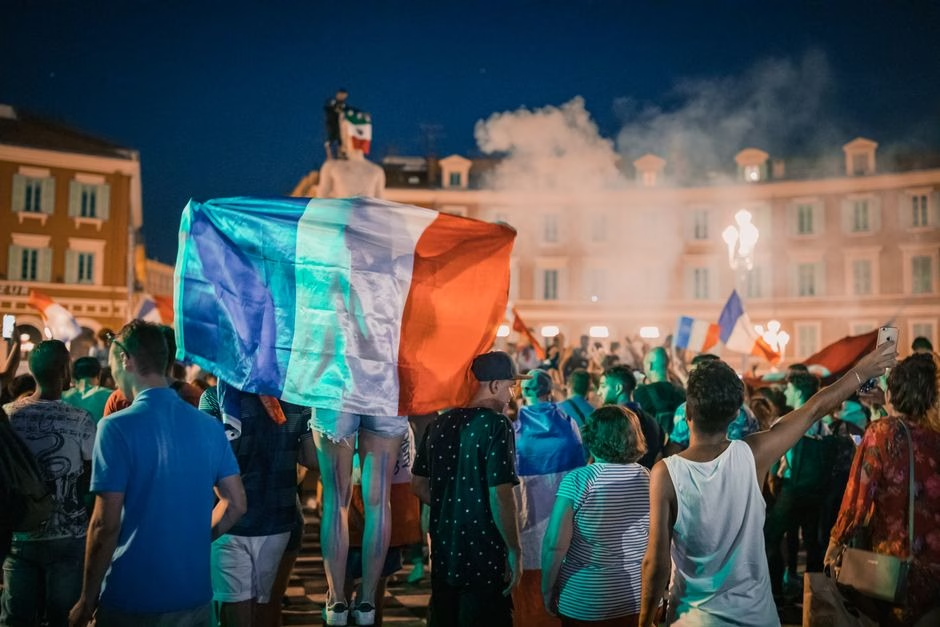
The largest sporting event in planet history is coming directly to North American soil in the summer of 2026. With 48 countries competing across 11 major U.S. host cities—ranging from New York and Los Angeles to Atlanta, Kansas City, and Miami—millions of sports fans are already planning their trips. But with surge pricing on hotel rooms, soaring airfares, and competitive ticket sales, many everyday fans worry they will get priced out of the action before the first whistle blows.
Here is the good news: you do not need a five-figure fortune to cheer on your team in person. Learning how to budget for World Cup 2026 travel under $3000 comes down to strategic host city selection, automating a dedicated savings bucket, leveraging travel reward points, and avoiding secondary ticket markups.
If you want to experience the electric atmosphere of a World Cup match without destroying your financial goals or carrying high-interest credit card debt into the fall, this comprehensive step-by-step guide walks you through every single dollar.
—
Understanding the Real Costs: Where Your $3,000 Budget Goes
To build a realistic budget, you first need to break down the actual expenses of a three-to-four-day World Cup trip. Prices will surge in host cities during match weeks, but structuring your spending around a clear cap keeps your total expenses firmly under the $3,000 threshold for a solo traveler or couple sharing lodging.
Here is how a target $3,000 total budget breaks down across the four main spending categories:
- Tickets (1–2 Group Stage Matches): $400 – $700 total
- Lodging (3 Nights): $900 – $1,200 total
- Transportation (Flights or Gas + Public Transit): $400 – $600 total
- Food, Merchandise, and Fan Zones: $400 – $500 total
By targeting Category 2 or Category 3 seating during the group stage, staying slightly outside the immediate downtown core, and securing travel early, this $3,000 cap is completely achievable.
—
Step 1: Build a Dedicated World Cup Sinking Fund
The biggest financial mistake fans make when planning for major global sporting events is treating expenses as an unexpected emergency when the bills arrive. Instead, turn your trip into a predictable item in your monthly budget by creating a dedicated “sinking fund.”
A sinking fund is simply a separate savings account where you deposit a fixed amount of money every month for a specific upcoming purchase.
Calculate Your Monthly Savings Target
Take your total target budget ($3,000) and divide it by the number of months remaining until the tournament begins in June 2026.
- If you start saving 18 months out, you only need to save $167 per month.
- If you start saving 12 months out, your target is $250 per month.
- If you start saving 6 months out, you will need to stash away $500 per month.
Put Your Savings on Autopilot
Open a high-yield savings account (HYSA) separate from your everyday checking account. Top online banks currently offer interest rates significantly higher than traditional brick-and-mortar institutions, meaning your travel fund will earn passive interest while you wait.
Set up an automated direct deposit from your paycheck or an automatic recurring transfer on payday. When you treat your travel savings like a non-negotiable bill, you guarantee the money will be there when ticket sales open. If you want to streamline your everyday finances so you can free up extra cash flow each payday, review the monthly budget that actually works to optimize your spending categories without feeling squeezed.
—
Step 2: Choose Your Host City Strategically
Not all 11 U.S. host cities carry the same price tag. Smaller venue hubs and cities with robust public transit options offer far better value for budget-conscious travelers than mega-tier metro areas like New York City, Los Angeles, or the San Francisco Bay Area.
Higher-Cost Host Cities
- New York/New Jersey (MetLife Stadium)
- Los Angeles (SoFi Stadium)
- Miami (Hard Rock Stadium)
- San Francisco/Bay Area (Levi’s Stadium)
Budget-Friendly Host Cities
- Philadelphia (Lincoln Financial Field): Excellent public transit connections via SEPTA, lower average hotel rates, and easy regional train access from surrounding suburban towns.
- Atlanta (Mercedes-Benz Stadium): Located directly on the MARTA rail line with a massive international airport hub that keeps flight prices competitive.
- Dallas/Arlington (AT&T Stadium): Plentiful regional lodging options and a central geography that offers affordable flights from almost anywhere in the lower 48 states.
- Kansas City (GEHA Field at Arrowhead): Offers lower midwestern dining and hotel price points, making it one of the most cost-effective hubs for group stage matches.
If you live within an eight-hour drive of a host city, choosing a drive-to destination instantly wipes out airline ticket costs, freeing up hundreds of dollars in your budget for better match tickets or accommodation upgrades.
—
Step 3: Hack Your Lodging and Local Transportation
Accommodation will likely represent your single largest expense. During peak tournament days, hotels directly adjacent to stadiums or downtown fan hubs will charge triple their standard nightly rates.
Stay Near Commuter Rail Lines, Not Stadium Parking Lots
Instead of booking a $450-per-night hotel walking distance from the stadium, look for hotels situated 20 to 30 minutes away along primary commuter rail lines.
- New York/New Jersey: Look at hotels along the NJ Transit lines in towns like Secaucus or Newark rather than Manhattan.
- Philadelphia: Consider accommodations in Center City or nearby suburbs connected directly by regional rail lines to the stadium complex stop.
- Seattle: Pick hotels near the Link Light Rail stations outside the immediate downtown footprint.
Leverage Credit Card Travel Rewards
If you have 12 to 18 months before the tournament, strategic use of a flat-rate travel rewards card or flexible point system can slash your out-of-pocket lodging and flight costs.
Sign-up bonuses on consumer travel credit cards frequently offer 60,000 to 80,000 bonus points after meeting initial spending thresholds on standard household bills. Redeeming those points for two or three hotel nights or a round-trip domestic flight can easily shave $600 to $1,000 off your total World Cup bill. Just ensure you pay off your statement balance in full every single month to avoid interest charges that wipe out the value of your rewards.
—
Step 4: Master the Official Ticket Buying Process
Ticket costs can make or break a $3,000 budget. Buying tickets on secondary reseller markets during peak hype can carry markups of 300% or more above face value. To keep your expenses predictable, stick strictly to official primary distribution channels.
Understand the FIFA Ticketing Phases
FIFA typically distributes tickets through structured random selection draws (lotteries) followed by first-come, first-served phases:
- Random Selection Draw (Phase 1): Fans apply for specific matches and ticket categories. Winners are chosen by lottery, giving everyone an equal chance regardless of when they submitted their application during the window.
- First-Come, First-Served (Phase 2): Remaining tickets are sold in real time on the official platform.
- Last-Minute Sales Phase: Occurs closer to the tournament start date.
Focus on Category 3 and Category 4 Tickets
FIFA divides stadium seating into different pricing categories:
- Category 1: Prime upper and lower side seating (highest cost).
- Category 2: Corner seating and mid-tier view locations.
- Category 3 & 4: Upper deck endline seats and higher tier seating behind the goals (most affordable).
For group stage matches, Category 3 tickets provide an incredible live stadium experience while staying within a budget of $150 to $250 per match. Aiming for two group stage matches in Category 3 keeps your total ticket spend under $500.
—
The Biggest Money Mistakes World Cup Fans Make
Staying under a $3,000 budget requires discipline and forward planning. Watch out for these common financial traps that turn affordable trips into severe credit card hangovers:
- Waiting Until Early 2026 to Book Flights and Hotels: Airfare and hotel rooms generally experience steep price increases starting six months before a major global event. Lock in refundable hotel rates as soon as booking windows open (typically 330 to 365 days in advance).
- Using Unverified Third-Party Ticket Brokers: Purchasing tickets from unverified social media sellers or shady resale sites risks counterfeit tickets and zero financial recovery. Stick strictly to the official FIFA Ticket Portal and official resale platforms.
- Ignoring Rental Car Hidden Fees: Renting a car in major host cities during peak events means paying high daily rates, expensive venue parking ($50 to $100 per match), and sitting in heavy traffic. Rely on public transit, rideshare apps, or walking whenever possible.
- Carrying a Credit Card Balance: Charging travel costs to a credit card with a 22% APR completely cancels out any savings you earned. If you cannot pay off your trip balance by the time you return home, downscale your travel plans to match cash on hand.
—
Turn Your World Cup Dream Into a Step-by-Step Reality
Attending the 2026 World Cup does not require deep pockets—it requires a simple strategy executed over time. By selecting an accessible host city, setting up an automated high-yield savings account, aiming for Category 3 group stage tickets, and booking accommodations near transit hubs, you can fully immerse yourself in the world’s biggest sports celebration without compromising your long-term financial stability.
Open a dedicated savings account today, calculate your required monthly contribution, and set up your first automatic transfer.
Which U.S. host city are you planning to visit for World Cup 2026, and what is your top tip for saving on travel? Let us know in the comments below!