
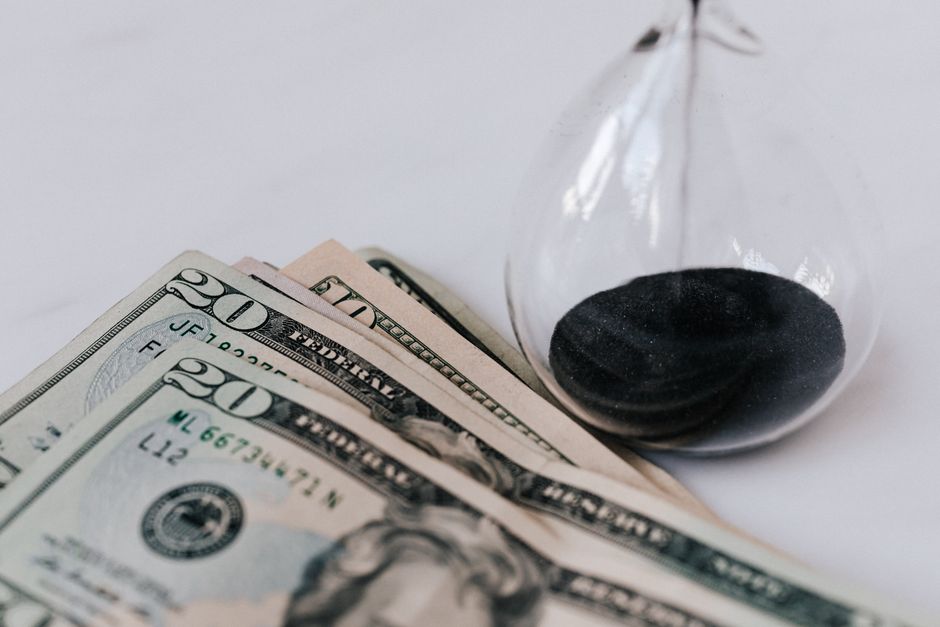
Every day, we’re bombarded with offers that promise instant gratification: buy now, pay later; next-day delivery; the latest gadget that will supposedly make life immediately better. It’s easy to get swept up in the current of wanting things right now. Whether it’s a new car, a bigger house, or simply the latest smartphone, the desire for immediate satisfaction is a powerful force in our consumer-driven society.
But what if resisting that urge, just a little bit, could be one of the most powerful financial moves you ever make? What if the secret to a more secure and prosperous future isn’t about finding the next get-rich-quick scheme, but rather about embracing a slower, more deliberate approach to your money? The truth is, cultivating patience can profoundly impact your financial well-being, transforming your aspirations into tangible wealth over time.
What Does “Delayed Gratification” Mean for Your Money?
At its core, delayed gratification is the ability to resist the temptation for an immediate reward in favor of a later, more substantial benefit. In the context of personal finance, this means choosing to save or invest money today instead of spending it on something you want right now. It’s about making conscious decisions that prioritize your long-term financial goals over short-term desires.
Think of it this way: instead of buying that new designer handbag today, you choose to put the money into an investment account. You don’t get the immediate thrill of a new purchase, but in a few years, that invested money could grow significantly, perhaps allowing you to buy an even better handbag, fund a dream vacation, or contribute to a down payment on a house. The immediate satisfaction is delayed, but the eventual reward is often far greater.
This concept isn’t new. Benjamin Franklin famously said, “A penny saved is a penny earned.” While our financial landscape is more complex today, the fundamental principle remains: sacrificing a little now can lead to a lot later.
Why Cultivating Patience Matters So Much for Your Wallet
The impact of delayed gratification on your finances is profound, primarily due to the magic of compound interest and the power of consistent habit formation.
The Power of Compound Interest
Compound interest is often called the “eighth wonder of the world” for good reason. It’s the interest you earn not only on your initial principal but also on the accumulated interest from previous periods. The longer your money has to grow, the more powerful compounding becomes.
Consider two scenarios:
- Scenario A (Instant Gratification): You get a $1,000 bonus and immediately spend it on a new gadget. You enjoy the gadget, but your net worth doesn’t change.
- Scenario B (Delayed Gratification): You invest that same $1,000 in a diversified index fund earning, say, an average of 8% per year. After 10 years, that $1,000 could be worth over $2,150. After 30 years, it could be worth over $10,000.
The key here is time. The longer you let your money sit and compound, the more significant the growth. By delaying gratification and investing early and consistently, you give your money the maximum opportunity to work for you.
Building Strong Financial Habits
Delayed gratification isn’t just about one-off decisions; it’s about forming consistent habits. Every time you choose to save, invest, or pay down debt instead of making an impulsive purchase, you reinforce a positive financial behavior. Over time, these small, consistent choices build momentum and create a robust financial foundation.
Think about someone who consistently contributes to their 401(k) from their first job, even if it’s just a small percentage. They might not feel rich overnight, but by their 50s or 60s, they could have a substantial retirement nest egg. This is a direct result of consistently choosing delayed gratification over decades.
How to Practice Delayed Gratification and Build Wealth
Cultivating patience isn’t always easy in a world that constantly encourages immediate consumption. However, with a few strategic approaches, you can train yourself to make choices that serve your long-term financial health.
1. Define Your “Why” and Set Clear Financial Goals
It’s much easier to delay gratification when you know what you’re delaying it for. Vague goals like “I want to be rich” are less motivating than specific, measurable goals.
- Be Specific: Instead of “save for retirement,” try “save $500,000 for retirement by age 65.”
- Make it Measurable: “Pay off credit card debt” becomes “pay off $5,000 in credit card debt within 12 months.”
- Set a Timeline: “Save for a down payment” becomes “save $30,000 for a down payment on a house in 3 years.”
Once you have clear goals, visualize them. Create a vision board, write them down, or set reminders on your phone. When the temptation to spend arises, remind yourself of your “why.” Is that new gadget really more important than your dream home or a secure retirement? Often, the answer is a resounding no.
2. Automate Your Savings and Investments
One of the most effective ways to practice delayed gratification is to remove the decision-making process entirely. Automate your savings and investments so that money is transferred from your checking account to your savings, investment, or retirement accounts before you even have a chance to spend it.
- Set up automatic transfers: Schedule a portion of each paycheck to go directly into your savings account, emergency fund, or investment portfolio. Many banks and brokerage firms offer this feature.
- Maximize employer-sponsored plans: If your employer offers a 401(k) or similar retirement plan, contribute at least enough to get any matching contributions – that’s essentially free money! Then, gradually increase your contribution percentage over time.
- Pay yourself first: Treat your savings and investments as non-negotiable bills. Before you pay for housing, utilities, or entertainment, ensure you’ve allocated money towards your financial goals.
By automating, you’re essentially making the choice for delayed gratification once, and then letting the system do the heavy lifting for you. You won’t miss money you never saw in your checking account.
3. Implement a “Cooling-Off Period” for Major Purchases
Impulse buying is the enemy of delayed gratification. To combat this, establish a mandatory “cooling-off period” for any non-essential purchase above a certain dollar amount (e.g., $50, $100, or even $500).
- The 24/48-hour rule: If you see something you want to buy, don’t buy it immediately. Add it to a wishlist or leave it in your online shopping cart, and wait at least 24 or 48 hours.
- Re-evaluate: During this period, ask yourself: Do I truly need this? Is there a cheaper alternative? How does this purchase align with my financial goals? Can I afford it without sacrificing my savings?
- Often, the urge passes: You’ll be surprised how often the initial excitement fades, and you realize the item wasn’t as essential as you first thought. This simple act of pausing can save you hundreds, if not thousands, of dollars over time.
This strategy helps you move from an emotional reaction to a logical decision, giving your rational brain a chance to weigh in before your wallet takes a hit.
4. Track Your Progress and Celebrate Milestones
Seeing tangible progress is incredibly motivating and reinforces the positive behaviors associated with delayed gratification.
- Use budgeting apps or spreadsheets: Track your spending, savings, and investment growth. Seeing your net worth increase or your debt decrease can be a powerful incentive to continue making smart choices.
- Visualize your growth: If you’re investing, regularly check your account balances (but not obsessively!). Witnessing the power of compounding firsthand can be incredibly satisfying.
- Celebrate small wins: When you hit a savings goal, pay off a debt, or reach a certain investment milestone, acknowledge it. This doesn’t mean splurging on something expensive. It could be a nice meal out (within your budget), a small treat, or simply taking a moment to appreciate how far you’ve come. These small celebrations provide positive reinforcement and make the journey more enjoyable.
The Long-Term Rewards of Patient Financial Decisions
Embracing delayed gratification isn’t about deprivation; it’s about empowerment. It’s about taking control of your financial future rather than letting immediate desires dictate your path. It’s understanding that the small sacrifices you make today are actually investments in a more secure, more prosperous, and ultimately, more fulfilling tomorrow.
By consistently making choices that prioritize your future self, you’re not just building a bigger bank account; you’re building resilience, discipline, and a profound sense of accomplishment. The path to wealth is rarely a sprint; it’s a marathon, and cultivating patience is arguably the most crucial muscle you can develop for the journey.
What strategies have you found helpful in practicing delayed gratification with your money? Share your thoughts and tips in the comments below!