
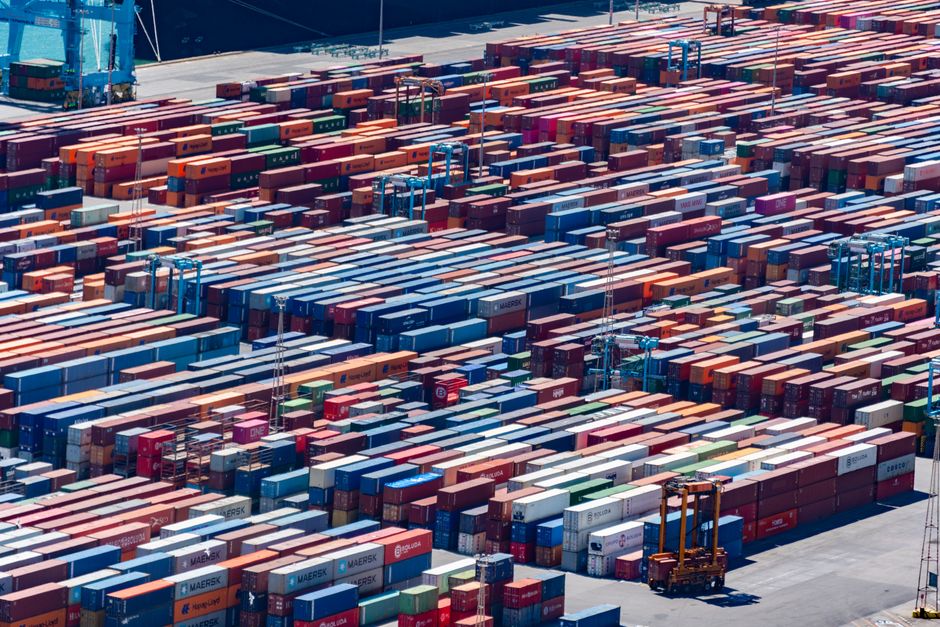
Imagine filling up your gas tank, buying groceries, or even just ordering that new gadget online. We often take for granted the smooth flow of goods and services that make these everyday actions possible. But behind the scenes, a vast and intricate global network is constantly at work, moving everything from crude oil to microchips across oceans and continents. When this network faces a hiccup, even seemingly distant events can ripple through the economy and land squarely in your wallet.
For many Americans, the idea of “supply chain disruptions” might sound like something out of a business school textbook. Yet, we’ve all felt the pinch in recent years – higher prices at the pump, empty shelves for certain products, or longer waits for deliveries. These aren’t just minor inconveniences; they can impact your personal finances, especially your investments, by affecting everything from company profits to inflation rates. Understanding how to protect your investments from global supply chain disruptions is a crucial skill for any savvy investor.
Why Global Supply Chains Matter for Your Money
Global supply chains are essentially the interconnected web of companies, resources, and logistics that bring products from their raw materials to your doorstep. Think of it like a complex domino effect: a problem in one part of the world, whether it’s a natural disaster, a geopolitical event, or even a sudden shift in consumer demand, can trigger a chain reaction. This can lead to:
- Increased Costs: When supplies are scarce or transportation becomes more expensive, companies often pass those increased costs on to consumers in the form of higher prices (inflation).
- Reduced Corporate Profits: Businesses might struggle to get the components they need, leading to production delays, missed sales targets, and ultimately, lower profits. This can negatively impact their stock prices.
- Economic Volatility: Persistent disruptions can create uncertainty, making investors nervous and leading to broader market fluctuations.
For your investment portfolio, these effects can manifest in several ways. If you own stocks in companies heavily reliant on specific global supply chains, their performance could suffer. Inflation, fueled by supply issues, can erode the purchasing power of your returns, especially for fixed-income investments. Even seemingly unrelated sectors can feel the squeeze as consumer spending habits shift in response to rising prices.
Understanding the Risks to Your Portfolio
To effectively protect your investments, it’s helpful to categorize the types of risks that supply chain issues can introduce:
Direct Company Exposure
Some companies are inherently more vulnerable to supply chain disruptions than others. Manufacturers that rely on a single source for critical components, or those with highly complex, “just-in-time” inventory systems, can be hit hard when the flow of goods is interrupted. For example, an automotive company that can’t get microchips from a factory overseas will struggle to produce cars, directly impacting its sales and stock price.
Sector-Specific Impacts
Certain industries are particularly sensitive to global supply chain health. Energy, shipping, retail, and technology sectors often feel the immediate effects of disruptions. If a major shipping route experiences delays, for instance, it impacts every business that relies on maritime transport, from clothing retailers to electronics manufacturers.
Macroeconomic Effects
Beyond individual companies or sectors, widespread supply chain problems can contribute to broader economic challenges like inflation, slower economic growth, or even recessionary pressures. These macroeconomic shifts can affect nearly all types of investments, making diversification and a long-term perspective even more important.
Concrete Steps to Protect Your Investments
Navigating the complexities of global supply chains might seem daunting, but there are actionable strategies you can employ to strengthen your investment portfolio against potential disruptions.
1. Diversify Your Portfolio Broadly
This is perhaps the most fundamental principle of investing, and it’s especially critical when considering supply chain risks. Don’t put all your eggs in one basket.
- Across Asset Classes: Invest in a mix of stocks, bonds, real estate, and potentially commodities. Different asset classes react differently to economic conditions. For example, during inflationary periods driven by supply shortages, certain commodities might perform well, while growth stocks could struggle.
- Across Industries and Geographies: Within your stock portfolio, avoid over-concentration in a single industry or region. A company heavily reliant on a specific Asian manufacturing hub might be more vulnerable than one with diversified production facilities or a strong domestic supply chain. Look for companies with resilient supply chains, or those that have demonstrated an ability to adapt.
- Consider Index Funds and ETFs: For many investors, broad-market index funds or exchange-traded funds (ETFs) offer built-in diversification. These funds hold a basket of hundreds or thousands of different stocks, spreading your risk across many companies and sectors, making you less vulnerable to the struggles of any single entity.
2. Prioritize Companies with Strong Balance Sheets and Adaptability
When researching individual stocks, look beyond just growth potential. Focus on companies that demonstrate financial strength and operational resilience.
- Robust Financials: Companies with healthy cash reserves, low debt, and consistent profitability are better positioned to weather economic storms and absorb higher costs from supply chain issues. They have the flexibility to invest in alternative suppliers, build inventory, or adjust production without crippling their finances.
- Supply Chain Transparency and Flexibility: While harder for the average investor to ascertain, look for companies that talk about their supply chain strategies. Do they have multiple suppliers for critical components? Are they investing in domestic production or nearshoring? Do they have strong relationships with their logistics partners? Companies that have learned from past disruptions and actively work to build more resilient supply chains are often better bets.
- Pricing Power: Businesses that can pass on increased costs to customers without losing significant market share are often more resilient. This “pricing power” is often found in companies with strong brands, essential products, or unique technology.
3. Factor Inflation into Your Investment Strategy
Supply chain disruptions often contribute to inflation. Protecting your purchasing power is key.
- Inflation-Protected Securities (TIPS): These are U.S. Treasury bonds that are indexed to inflation. Their principal value adjusts with the Consumer Price Index (CPI), providing a hedge against rising prices.
- Real Estate: Historically, real estate can act as an inflation hedge. As the cost of goods and services rises, so too can property values and rental income, though this is not guaranteed and depends on local market conditions.
- Commodities: Raw materials like oil, precious metals (gold, silver), and agricultural products can sometimes perform well during inflationary periods, as their prices are directly tied to the cost of goods. However, commodities can be highly volatile, so consider them as a smaller portion of a diversified portfolio.
- Dividend-Paying Stocks: Companies that consistently pay and ideally grow their dividends can provide a stream of income that helps offset the impact of inflation on your overall returns. Look for companies with a strong track record of dividend growth and the financial health to continue paying them.
4. Maintain a Long-Term Perspective and Avoid Panic
Global supply chain issues, while impactful, are often cyclical. Markets tend to react strongly to immediate news, but over the long run, economies and businesses adapt.
- Resist Emotional Decisions: When headlines are dire, it’s tempting to sell off investments. However, panic selling often locks in losses. Remember that market downturns are a normal part of investing, and historically, markets recover.
- Rebalance Periodically: Review your portfolio regularly (e.g., once a year) to ensure it still aligns with your risk tolerance and financial goals. If one asset class has grown disproportionately, consider rebalancing to maintain your desired allocation. This helps you “buy low and sell high” by trimming overperforming assets and adding to underperforming ones.
- Continue Regular Contributions: If you invest consistently through a 401(k) or IRA, continue making those regular contributions. This strategy, known as dollar-cost averaging, means you buy more shares when prices are low and fewer when prices are high, potentially leading to a lower average cost per share over time.
The Big Picture: Resilience in a Connected World
The global economy is an incredibly complex and interconnected system. While we can’t predict every disruption, we can build more resilient personal financial strategies. Protecting your investments from global supply chain disruptions isn’t about perfectly timing the market or knowing exactly where the next bottleneck will occur. Instead, it’s about building a robust, diversified portfolio, choosing financially strong companies, and maintaining a calm, long-term perspective through inevitable periods of turbulence.
By taking these proactive steps, you can position your investments to better withstand the ebb and flow of global trade and continue working towards your financial goals, no matter what challenges the world throws our way. What strategies have you found most effective in strengthening your financial position against global economic shifts? Share your thoughts in the comments below!