It is 10:30 p.m. on a Tuesday. You are relaxing on the couch, unwinding after a long day at work, casually scrolling through your phone. An ad pops up on Instagram for an sleek organizational gadget or a stylish jacket you didn’t know existed thirty seconds ago. You tap the screen, Apple Pay recognizes your face, and before your brain even fully registers the cost, the order is confirmed.
If this scenario feels familiar, you are not alone. Learning how to stop impulse buying online to save $500 a month comes down to changing your digital environment rather than relying on sheer willpower.
Modern e-commerce apps are engineered by behavioral psychologists specifically designed to strip away buying friction. By intentionally adding friction back into your purchasing routine, you can break the automatic spending loop, keep hundreds of dollars in your checking account each month, and regain complete control of your budget.
Why Online Impulse Buying Is So Hard to Resist
To stop impulse buying, it helps to understand why your phone makes spending money feel so painless. Shopping apps and modern web browsers have spent billions of dollars perfecting the “frictionless checkout.”
When you shop in a physical store, you have to pick up an item, carry it through the aisles, stand in a line, pull out your wallet, and hand over a physical card. That entire process gives your prefrontal cortex—the logical, decision-making part of your brain—plenty of time to ask: Do I actually need this?
Online, that buffer disappears completely.
The Dopamine Loop of One-Click Shopping
Impulse buying triggers a hit of dopamine in your brain not when the item arrives at your door, but the exact moment you tap “Place Order.” Retargeting ads, limited-time countdown timers, and “only 2 left in stock” banners create an artificial sense of urgency. You aren’t just buying a product; your brain is seeking a fast reward to relieve stress, boredom, or exhaustion.
The Hidden Monthly Cost
A $25 Amazon purchase here and a $40 clothing order there might seem harmless in isolation. But when you add up two or three minor impulse buys a week, plus micro-transactions, door delivery fees, and flash-sale splurges, most working Americans easily leak $400 to $600 every single month. Redirecting that cash flow toward long-term goals can instantly transform your financial trajectory.
—
5 Practical Steps to End Impulse Online Shopping Today
You do not need to delete every shopping account or vow to never buy anything online again. Instead, use these five high-impact strategies to slow down the process and protect your wallet.
1. Remove Saved Payment Details Everywhere
The single most effective barrier against impulse spending is distance. If buying something requires you to physically get up off the couch, walk to your purse or wallet, pull out your credit card, and type in a 16-digit number, you will abandon more than half of your unplanned purchases.
- Turn off autofill in Safari and Chrome: Go into your mobile and desktop browser settings and delete saved credit cards.
- Remove cards from digital wallets: Unlink your primary credit cards from Apple Pay, Google Pay, and Shop Pay.
- Delete payment methods from retailer accounts: Go into Amazon, Target, and your favorite retail sites and delete your default payment methods so they don’t store your card numbers.
Making yourself type out card numbers, expiration dates, and CVV codes gives your brain the critical 60 seconds it needs to snap out of autopilot mode.
2. Implement the Mandatory 72-Hour Rule
Never buy a non-essential item the first time you see it. Instead, establish a strict 72-hour cooling-off period for any unplanned online purchase.
When you feel the urge to buy something, add it to a dedicated “Wish List” note on your phone instead of your online shopping cart. Set a calendar reminder for 72 hours later.
During those three days, the initial emotional rush of dopamine will fade. When the reminder alerts you three days later, ask yourself three simple questions:
- Do I still want this as much as I did on Tuesday night?
- Where will this item live in my house?
- Would I rather have this item, or keep the cash in my savings account?
More than 80% of the time, you will look at the item three days later and wonder why you wanted it in the first place.
3. Unsubscribe from Retail Emails and Turn Off Push Notifications
Retail marketers rely heavily on email campaigns and app alerts to drag you back into their sales funnel. Phrases like “Flash Sale,” “24 Hours Only,” or “We Miss You!” are designed to trigger fear of missing out (FOMO).
Take twenty minutes this weekend to audit your inbox and phone settings:
- Use the search bar in your email app to look for the word “Unsubscribe” and remove yourself from every retail newsletter.
- Turn off push notifications for all shopping, fashion, and deal apps on your smartphone.
- Delete shopping apps entirely from your phone. If you truly need to order something, force yourself to open a web browser on a desktop computer.
If you are already tackling your overall budget, learning to cut unnecessary spending habits works hand-in-hand with strategies to lower your fixed monthly expenses so you can free up cash for high-priority financial goals.
4. Calculate Costs in “Working Hours” Instead of Dollars
Price tags on screens can feel abstract, especially when using digital payment tools. To make money feel real again, convert the cost of an item into the actual working time it takes you to earn it.
First, calculate your net hourly wage (your take-home pay after taxes, health insurance, and 401(k) deductions divided by the number of hours you work per month).
If you bring home $25 an hour net:
- A $50 sweater doesn’t cost $50; it costs 2 full hours of sitting at your desk working.
- A $150 pair of sneakers doesn’t cost $150; it costs an entire 6-hour workday.
- A $500 targeted-ad gadget binge costs 20 hours—a full half-week of work.
Framing purchases in terms of your labor shifts your perspective immediately. Ask yourself: Is this item really worth sacrificing four hours of my life on Monday morning?
5. Create a Dedicated “Fun Money” Buffer Account
Budgeting methods that forbid all personal spending almost always backfire. If you try to live on a strict financial starvation diet, you will eventually burn out and go on an online shopping spree.
Instead, build permission into your system:
- Set up a separate checking account or pre-paid debit card specifically for personal discretionary spending.
- Transfer a fixed, comfortable dollar amount into this account every payday (for example, $75 per paycheck).
- When this card hits a zero balance, your personal shopping is done until the next pay period—no exceptions.
This boundary allows you to spend guilt-free on things you truly enjoy without jeopardizing your rent, groceries, debt payoff, or savings goals.
—
The Big Mistake Most People Make When Trying to Stop Impulse Buying
The most common trap people fall into is trying to rely purely on motivation without addressing the underlying trigger.
Impulse buying online is rarely about the physical product. It is usually a symptom of one of three underlying emotional triggers:
- Boredom: Shopping gives your brain something quick and exciting to do while watching TV.
- Stress & Fatigue: Browsing late at night feels like a reward after a tough workday or managing a family household.
Aspiration: You aren’t just buying kitchenware or workout gear; you are buying the idea* of a more organized, healthier version of yourself.
If you simply tell yourself “I won’t buy anything this month” without replacing the habit, you create a psychological vacuum.
How to Fix It
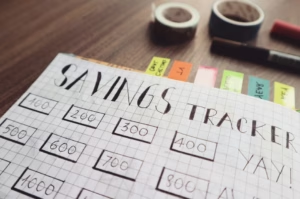
Identify what you are actually seeking when you open a shopping browser. If you shop when you are stressed at night, replace the habit with a non-screen activity like reading a physical book, drinking herbal tea, or listening to a podcast. If you shop out of boredom, try tracking your progress with structured beginner money saving challenges to turn building your bank balance into a rewarding game.
—
What to Do With Your Extra $500 Every Month
Once you add friction back to your phone and curb impulse shopping, you will quickly notice several hundred dollars sitting untouched in your bank account every single month.
Don’t leave that cash sitting in a standard checking account where it can slowly bleed away on other minor expenses. Automate your progress:
- Build an Emergency Reserve: Direct your saved impulse cash straight into a High-Yield Savings Account (HYSA) earning 4% to 5% APY until you have 3 to 6 months of living expenses tucked away.
- Attack High-Interest Debt: Put your extra $500 a month toward high-interest credit card balances. Eliminating a 20%+ APR balance delivers an immediate, guaranteed return on your money.
- Invest for the Long Term: Feed your saved cash into an index fund inside a Roth IRA or traditional 401(k) to let compound interest work for your future self.
—
Take Your First Step Today
Breaking the online impulse buying habit does not mean you can never treat yourself again. It simply puts you back in the driver’s seat, ensuring that every dollar you spend aligns with your real values rather than a retailer’s marketing algorithm.
Your action item for today: Open your smartphone right now, go to your browser settings, and delete your saved credit card information. That simple two-minute task will save you hundreds of dollars before the month is over.
What is the hardest online purchase for you to resist? Drop your thoughts or favorite saving tips in the comments below!