You stand in front of the open fridge at 6:30 p.m., see a half-empty jar of salsa and some wilted celery, and open a delivery app. Sound familiar? That one moment of “there’s nothing to eat” can cost you $25 or more, and it happens again and again.
Meal planning to save $100 a month on groceries is realistic for many households, especially if you’re currently tossing food, making extra store runs, or ordering takeout on busy nights. You don’t need coupons, a spreadsheet obsession, or Sunday afternoons lost to cooking. You need a simple system that decides what you’ll eat before you walk into the store.
Below is a practical, five-step approach that works for singles, couples, and families. Your results will vary with your household size and local prices, but the math is easier to hit than you might think.
Where the $100 Actually Comes From
Meal planning doesn’t save money by magic. It saves money by plugging specific leaks. Here’s how a typical $100 might break down (illustrative numbers, not a guarantee):
- Fewer impulse buys: $25 to $40 a month when you shop from a list
- Less wasted food: $20 to $30 when you buy only what you’ll use
- Skipped takeout or drive-thru runs: $30 to $50 when dinner is already decided
- Smarter use of sales and store brands: $10 to $20
Cutting even two or three of these gets you close. If you skip just two $20 takeout orders a month because dinner is already planned, you’re 40% of the way there.
Start With What You Already Have
The cheapest groceries are the ones already in your kitchen. Before you plan anything, take a ten-minute inventory of your fridge, freezer, and pantry.
Do a quick “shop your kitchen” audit
Write down proteins, vegetables, grains, canned goods, and anything that will expire soon. Then build your first few meals around those items.
That frozen chicken from two months ago, the rice, and the bag of spinach? That’s a meal. Using what you have first means a smaller shopping list and less food heading to the trash.
Keep a running “use it up” list
Stick a note on the fridge with items that need to be eaten soon. Check it every time you plan. This tiny habit prevents the slow, silent waste that eats into your budget.
Build a Flexible Weekly Plan (Not a Rigid One)
The most common mistake is over-planning. People map out seven elaborate dinners, get tired by Wednesday, and abandon the whole thing. A plan that’s too ambitious is a plan you won’t follow.
Plan four or five dinners, not seven
Leave room for leftovers, a “fend for yourself” night, and the occasional dinner out that you’ve actually budgeted for. Four or five planned dinners cover most of the week’s real needs.
Use a simple theme structure
Themes take the guesswork out of deciding. For example:
- Monday: Pasta or grain bowl night
- Tuesday: Tacos or wraps
- Wednesday: Sheet-pan dinner
- Thursday: Soup, chili, or slow cooker meal
- Friday: Breakfast for dinner or homemade pizza
You still choose what goes in each slot, but the framework keeps you from staring at a blank page every week.
Plan breakfast and lunch too
Dinner gets all the attention, but quick breakfasts and lunches are where budget-friendly habits fall apart. Pick one or two easy defaults, like oatmeal and eggs for breakfast, or leftovers and sandwiches for lunch. Repeating a few simple options is fine. Variety is nice, but it’s the most expensive part of eating at home.
Plan Around Sales and Cheaper Ingredients
Once you know what’s in your kitchen, check what’s on sale before you finalize the week’s meals. Most U.S. grocery chains publish weekly ads online or in their apps, and many offer digital coupons tied to a free loyalty account.
Let the sale flyer pick your protein
Meat is usually the priciest item in the cart. If chicken thighs are on sale this week, plan two chicken meals. Next week it might be ground turkey or pork. Rotating based on price keeps your average cost down without feeling like a sacrifice.
Choose ingredients that stretch
Some foods deliver a lot of meals per dollar. Build your plan around items like:
- Dried or canned beans and lentils
- Rice, oats, and pasta
- Eggs
- Frozen vegetables (often cheaper than fresh and less likely to spoil)
- Seasonal produce, which tends to be priced lower when it’s abundant
You don’t have to eat beans every night. Even swapping half the ground beef in tacos or chili for beans can lower the cost of that meal noticeably.
Try store brands
Store brands often cost less than name brands on staples like flour, canned tomatoes, and frozen vegetables. Switch a few items at a time. If you don’t notice a difference, keep the savings.
Cook Once, Eat Twice
You don’t need to spend your whole Sunday cooking. A little batch cooking goes a long way, and it’s one of the best defenses against the 6:30 p.m. takeout temptation.
Make “planned-overs”
Cook a double batch of something you’d eat anyway, such as chili, roasted chicken, or rice. Eat it one night, then repurpose it later. Roasted chicken becomes chicken salad, quesadillas, or soup. Extra rice becomes fried rice.
Prep just the building blocks
If full meal prep feels like too much, prep ingredients instead:
- Wash and chop vegetables for the week
- Cook a big pot of rice or pasta
- Brown a pound of ground meat for multiple uses
- Portion out snacks into grab-and-go containers
Even 30 to 45 minutes of prep can make weeknight cooking take 15 minutes. When dinner is fast, you’re less likely to give up and order out.
Use your freezer
Freeze leftovers in single portions, bread before it goes stale, and ripe bananas for smoothies. Your freezer is basically a storage unit for money you’d otherwise throw away.
Shop With a List and a Few Smart Rules
A great meal plan can still fall apart in the store. Aisles, end caps, and hunger are designed to pull you off track.
Write your list from your plan, in store order
Go through each planned meal, check what you already have, and write only what’s missing. Group items by section (produce, dairy, meat, pantry) so you’re not backtracking and tempted by extras.
Follow three simple rules
- Never shop hungry. It sounds like a cliché because it works.
- Set a weekly budget before you go. Use your phone’s calculator or a pickup order to watch your total.
- Keep a small “flex” amount. Maybe $5 to $10 for something that looks good, so you don’t feel deprived and blow the plan.
Consider grocery pickup
Ordering online and picking up at the store can help you avoid impulse buys, since you see your running total and don’t wander the aisles. Check for pickup fees, though. If a store charges one, it may cancel out some of your savings.
Track Your Results and Put the Savings to Work
Here’s where many people stop short. If you save $100 and don’t notice where it went, it will quietly disappear into other spending.
Compare a month before and after
Look at your last two or three months of grocery and restaurant spending in your bank or credit card app. Pick a realistic target, not a dramatic cut. If you currently spend $700 a month on food, aiming for $600 is a solid, believable goal.
Give the savings a job
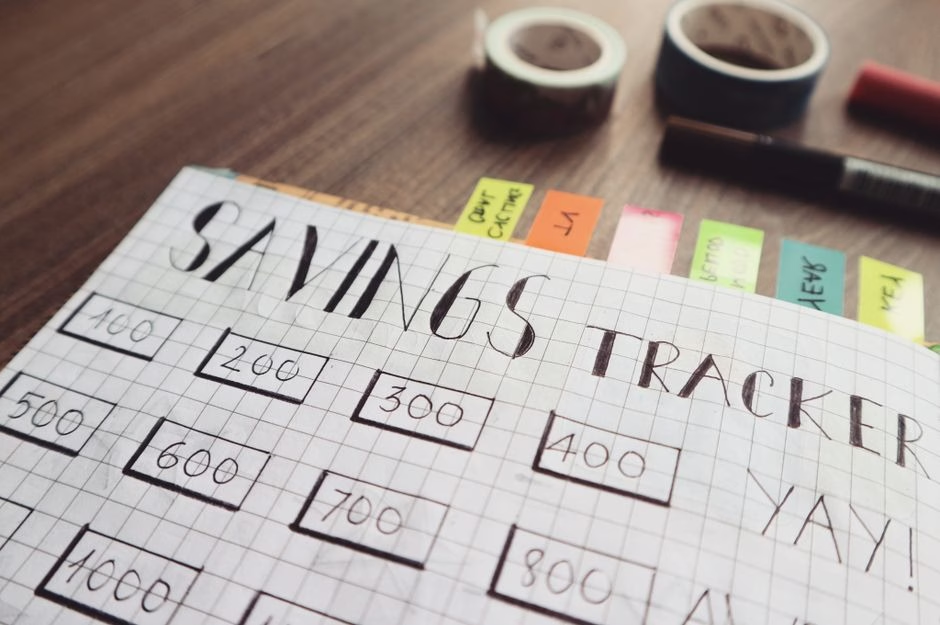
Move the difference to savings the same day you shop, or set up an automatic transfer on payday. If you’re looking for a structured way to use that extra cash, these realistic money saving challenges for beginners can help you turn small monthly wins into a bigger cushion.
Adjust as you go
If a week goes off the rails, don’t scrap the system. Just restart with the next plan. Consistency over months matters far more than perfection in any single week.
The Mistake That Quietly Cancels Your Savings
The biggest trap is buying ingredients for aspirational meals you never cook. That fancy recipe with six specialty items looks great on Sunday. By Thursday, you’re tired, and the fresh herbs are slimy.
Keep these habits in mind:
- Choose recipes with ingredients that overlap (cilantro in tacos and rice bowls, for example)
- Be honest about how much energy you’ll have on weeknights
- Save the ambitious recipes for a weekend when you actually have time
A boring meal you eat beats a gorgeous one you don’t.
Your Simple Starting Plan for This Week
You don’t need to overhaul your whole routine to start saving. Meal planning works best when you make it small and repeatable, and a few weeks of practice will make it feel automatic.
Here’s the one step to take today: spend ten minutes checking your fridge and pantry, then plan just four dinners using what you already have plus whatever’s on sale this week. Write a short list, shop once, and see what your receipt looks like.
Have a meal planning trick that’s saved you money? Share it in the comments below.