
Immediate, No-Cost Adjustments: The Quickest Wins
When the goal is to lower your utility bills fast, the absolute quickest and most impactful changes are often those that cost you nothing but a shift in habit. These immediate adjustments require zero financial investment and can start impacting your monthly statement within days. We’re talking about direct, actionable steps that leverage awareness and minor behavioral tweaks to dramatically reduce energy and water consumption, offering an unparalleled return on “effort investment.”
Consider your thermostat settings, for example. For every degree you adjust your thermostat in the summer (up) or winter (down) from its previous setting, you can save approximately 1% on your heating and cooling costs. Shifting your thermostat just 7-10 degrees back for 8 hours a day can net you 10% or more in savings annually. Beyond temperature control, tackle “energy vampires” – devices that draw power even when turned off or in standby mode. Unplugging electronics like phone chargers, coffee makers, and game consoles when not in use can collectively save you an estimated $100-$200 per year. Furthermore, optimizing appliance use, such as washing clothes with cold water, can save nearly 90% of the energy used for hot water cycles, and air-drying dishes instead of using your dishwasher’s heated dry cycle offers similar rapid savings.
Comparing these no-cost strategies, their primary advantage is speed and accessibility. There’s no waiting for installation, no budgeting required. The trade-off, however, is consistency. While the impact is immediate per action, sustaining significant savings relies on continuous vigilance. For instance, repeatedly adjusting your thermostat manually is effective but can be cumbersome compared to automated solutions we’ll discuss later. These initial steps are foundational, offering a rapid diagnostic of your consumption habits and immediate relief, paving the way for more strategic interventions.
Low-Cost, Rapid-Return Solutions: Smart Investments Under $50
Once you’ve tackled the no-cost adjustments, the next tier of fast utility bill reduction involves making small, strategic investments that typically cost less than $50 but offer a rapid return on investment. These solutions bridge the gap between pure behavioral changes and larger home upgrades, providing tangible improvements with minimal financial outlay. They are designed to make your home inherently more efficient, reducing the need for constant manual intervention.
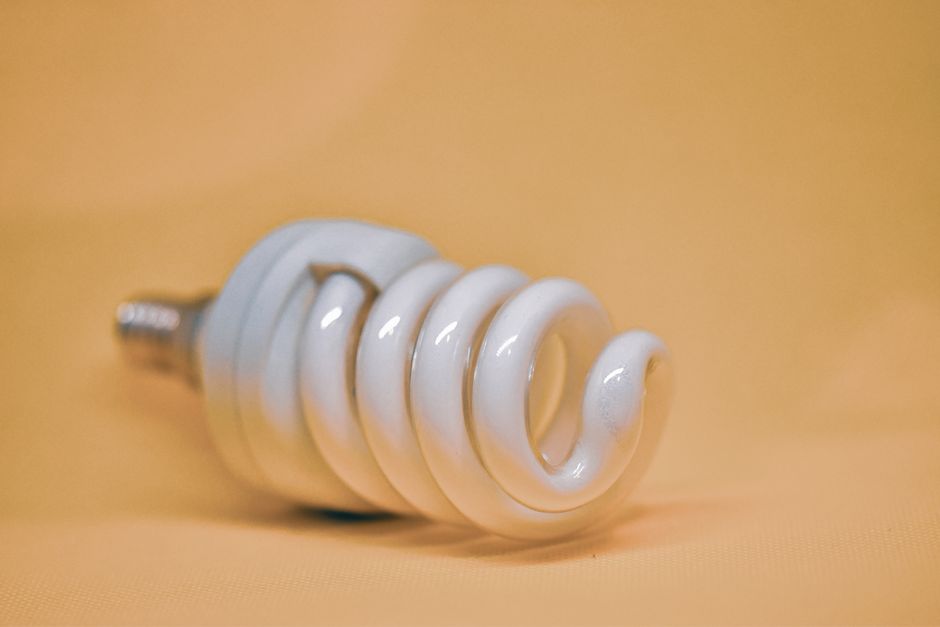
One of the most universally recommended upgrades is switching to LED light bulbs. While an incandescent bulb might cost $1 and an LED bulb $5-$10, the energy savings are staggering. LEDs use up to 90% less energy and last 15-25 times longer than traditional bulbs, saving you an average of $70-$100 over their lifetime per bulb. If you replace just 10 frequently used bulbs, you could see a significant drop in your electricity bill within the first month. Another highly effective, low-cost solution is addressing drafts. Weatherstripping around doors and windows (typically $10-$30 for a roll) and caulking cracks and gaps can reduce air leakage by 5-10%, directly impacting your heating and cooling efficiency. Smart power strips, costing around $20-$40, are another excellent investment. Unlike regular power strips, they can detect when a primary device (like a TV) is off and automatically cut power to associated peripherals (like a DVD player or sound system), eliminating phantom load and potentially saving you $30-$100 annually.
When comparing these low-cost solutions, they stand out for their quick payback period and ease of implementation. An LED bulb replacement pays for itself in energy savings within a few months to a year, far faster than many other home improvements. Weatherstripping and caulking offer an almost immediate comfort improvement and measurable energy savings for a negligible cost, often paying for themselves in the first winter or summer season. While they require a small initial investment, the long-term, passive savings they provide often outweigh the active effort of purely behavioral changes, making them a crucial step for fast and sustainable utility bill reduction.
Mid-Tier Upgrades for Significant Savings: Strategic Investments
For those seeking more substantial and long-lasting reductions in their utility bills, mid-tier upgrades present strategic investments with higher upfront costs but significantly larger, more passive savings over time. These solutions often address core inefficiencies in your home’s energy envelope or primary systems, leading to a much deeper and more permanent impact on your consumption patterns. The ‘fast’ aspect here relates to the speed at which these upgrades start delivering significant savings once implemented, rather than immediate, zero-cost actions.
A prime example is the installation of a smart thermostat. While typically costing between $150 and $250, these devices can learn your habits, adjust temperatures automatically, and be controlled remotely via smartphone. The U.S. Department of Energy estimates that homeowners can save 10-12% on heating and 15% on cooling costs annually with a smart thermostat, leading to a payback period of just 1-2 years. For a household spending $1,500 a year on heating and cooling, this translates to $150-$225 in annual savings. Another impactful mid-tier investment is an energy audit. While a professional audit might cost $200-$500, it provides a comprehensive report on your home’s energy weaknesses, often identifying areas that could yield 10-30% in overall utility savings. Many utility companies even offer rebates or free audits, further reducing the effective cost, as we discussed in our guide to [Utility Company Rebates]. Addressing the findings, such as improving attic insulation (a DIY project for $500-$1000, or professional for $1500-$3000), can lead to 15-20% savings on heating and cooling, a significant reduction that pays for itself over a few years.
Comparing these mid-tier investments to the low-cost options, the initial financial hurdle is higher, but the magnitude and longevity of savings are also considerably greater. A smart thermostat offers automated, continuous savings without daily effort, unlike manual thermostat adjustments. An energy audit provides tailored, expert recommendations that can uncover hidden inefficiencies far beyond what a homeowner might notice, leading to more targeted and effective improvements. While the payback period might extend to 1-3 years, the sustained reduction in utility expenses positions these upgrades as essential for anyone serious about drastically lowering their bills for the long haul, still aligning with the “fast” objective due to their rapid, high-impact return once in place.
Behavioral Shifts & Monitoring: Sustaining Your Savings
Achieving fast reductions in utility bills is a great start, but sustaining those savings and continually optimizing your consumption requires an ongoing commitment to conscious behavioral shifts and diligent monitoring. This final category of strategies isn’t about a single investment or a one-time change; it’s about embedding energy and water efficiency into your daily routine and leveraging data to make smarter choices. The “fast” aspect here is the rapid feedback loop you can create, allowing you to quickly identify consumption spikes and adjust accordingly.
One of the most powerful behavioral shifts involves understanding your utility provider’s rate structure. Many companies offer Time-of-Use (TOU) pricing, where electricity costs more during peak demand hours (e.g., late afternoon/early evening) and less during off-peak times. Shifting high-energy activities like running the dishwasher, doing laundry, or charging electric vehicles to off-peak hours can result in 10-20% savings on your electricity bill without reducing overall usage. Another crucial habit is mindful water use; taking shorter showers, fixing leaky faucets (which can waste hundreds of gallons per month), and only running full loads in dishwashers and washing machines can significantly cut both water and water heating costs – often by 20-30%. Regularly analyzing your utility bills for usage trends and comparing them month-to-month and year-over-year allows for quick identification of anomalies or areas for improvement, a practice often overlooked but incredibly effective.
When we compare active monitoring and behavioral shifts to the passive benefits of installations, we see a synergistic relationship. While smart thermostats and LED bulbs reduce consumption automatically, understanding your usage patterns and consciously acting upon them provides an additional layer of optimization. For instance, even with a smart thermostat, if you know you’ll be away, manually adjusting it further or activating an “away” mode provides an extra boost to savings. The relatively low effort of consistent monitoring, perhaps through a home energy monitor or your utility company’s online portal, provides immediate feedback, allowing for rapid adjustments to daily habits. This combination of smart tech and smart habits offers the most comprehensive and sustainable path to not just lowering your utility bills fast, but keeping them low indefinitely. For more detailed insights on continuous monitoring, refer to our article on [Smart Home Energy Management].
Don’t let high utility bills drain your bank account any longer! You now have a powerful arsenal of strategies, from immediate no-cost adjustments to strategic long-term investments and sustainable behavioral shifts. Pick one no-cost hack you can implement today, like adjusting your thermostat or unplugging energy vampires, and commit to one low-cost investment, like switching to LEDs. Start tracking your progress immediately, and watch those savings stack up. Your wallet will thank you!