The price of everything seems to be going up lately, from groceries to gas, and it’s easy to feel the pinch in your wallet. When the cost of living climbs, it forces many of us to take a closer look at our budgets and make tough choices about where our money goes. This feeling of economic pressure is something nearly every American household is experiencing right now, and it can be unsettling to navigate.
Beyond the supermarket aisles, there’s a bigger economic force at play that directly impacts how much you pay for loans, how much you earn on savings, and even the value of your investments: interest rates. Understanding how rising interest rates affect your everyday finances is crucial for making smart financial decisions in a changing economic landscape. While you might not track the Federal Reserve’s meetings, their decisions about interest rates ripple through the entire economy and land squarely on your personal balance sheet.
What Are Interest Rates and Why Do They Change?
At its core, an interest rate is the cost of borrowing money or the return on saving money. When you borrow, it’s the percentage of the principal amount that you pay as a fee to the lender. When you save, it’s the percentage you earn on your deposits from the bank. The “federal funds rate” is the benchmark interest rate set by the U.S. central bank, the Federal Reserve. This rate influences all other interest rates in the economy, from mortgages to credit cards.
The Federal Reserve adjusts this rate primarily to manage inflation and support economic growth. When inflation (a general increase in prices and fall in the purchasing value of money) is high, the Fed might raise interest rates to cool down the economy. The idea is that making borrowing more expensive discourages spending and investment, which in turn reduces demand and helps bring prices back down. Conversely, when the economy is sluggish, the Fed might lower rates to encourage borrowing and spending, stimulating economic activity.
How Rising Interest Rates Affect Your Everyday Finances
When interest rates rise, it creates a domino effect across various aspects of your personal finances. Here’s a breakdown of the key areas impacted:
Your Debts Become More Expensive
This is often the most immediate and noticeable impact for many Americans.
- Credit Cards: Most credit cards have variable interest rates, meaning they are directly tied to the prime rate, which moves in tandem with the federal funds rate. As interest rates rise, your credit card APR (Annual Percentage Rate) will likely increase. This means that if you carry a balance, a larger portion of your monthly payment will go towards interest, making it harder to pay off your debt. Even if your minimum payment doesn’t jump dramatically, it will take longer and cost more overall to clear your balance.
- Adjustable-Rate Mortgages (ARMs): If you have an ARM, your interest rate is periodically adjusted based on a benchmark index. When overall rates climb, your mortgage rate will likely increase during its adjustment period, leading to higher monthly mortgage payments. This can significantly strain your budget, especially if you’re already stretched thin. Fixed-rate mortgages, on the other hand, are locked in for the life of the loan, so your payment won’t change due to rising rates. However, new fixed-rate mortgages will be more expensive to take out.
- Home Equity Lines of Credit (HELOCs): Similar to credit cards, HELOCs typically have variable interest rates. As rates rise, the interest you pay on your HELOC balance will increase, leading to higher minimum payments.
- Personal Loans and Student Loans: Many private student loans and personal loans also have variable interest rates. If yours is variable, you can expect your payments to increase as rates go up. Federal student loan rates are typically fixed for the life of the loan, so they are not directly impacted by future rate hikes once disbursed, but new federal loans issued after a rate hike will have higher fixed rates.
- Auto Loans: While most auto loans are fixed-rate, rising interest rates mean that new car loans will come with higher interest charges. If you’re planning to finance a vehicle, you’ll likely pay more in interest over the life of the loan than you would have when rates were lower.
Your Savings May Earn More (Eventually)
This is the silver lining for savers. When the Federal Reserve raises rates, banks eventually pass some of those increases on to their customers in the form of higher interest rates on savings accounts, money market accounts, and Certificates of Deposit (CDs).
- Savings Accounts and Money Market Accounts: While the increases might not be immediate or dramatic, you should start to see slightly better returns on the cash you hold in these accounts. This can be a good incentive to build up your emergency fund or save for a specific goal.
- Certificates of Deposit (CDs): CDs, which lock your money away for a set period in exchange for a fixed interest rate, become more attractive in a rising rate environment. You can secure a higher return for your money for the CD’s term. However, remember that your money is typically inaccessible without penalty until maturity.
It’s important to note that banks don’t always raise their savings rates as quickly or as much as they raise their lending rates. It pays to shop around for the best rates, especially with online banks which often offer more competitive yields.
Investment Returns Can Shift
Rising interest rates can have a complex and varied impact on your investment portfolio.
- Bonds: Generally, when interest rates rise, the value of existing bonds with lower fixed rates tends to fall. This is because newly issued bonds offer higher interest payments, making older bonds less attractive. If you hold bonds directly or through bond funds, you might see a dip in their market value. However, if you plan to hold bonds to maturity, you will still receive your original principal back. For new bond purchases, you will be able to lock in higher yields.
- Stocks: The impact on stocks is less direct and can vary by industry. Higher interest rates can make it more expensive for companies to borrow money, which can reduce their profits and slow their growth. This, in turn, can put downward pressure on stock prices. Certain sectors, like growth stocks that rely heavily on future earnings, can be particularly vulnerable. However, some sectors, like financial institutions, might benefit from higher interest margins. The overall market tends to react to changing interest rate expectations, often with increased volatility.
Impact on Housing Market
Rising interest rates play a significant role in the housing market.
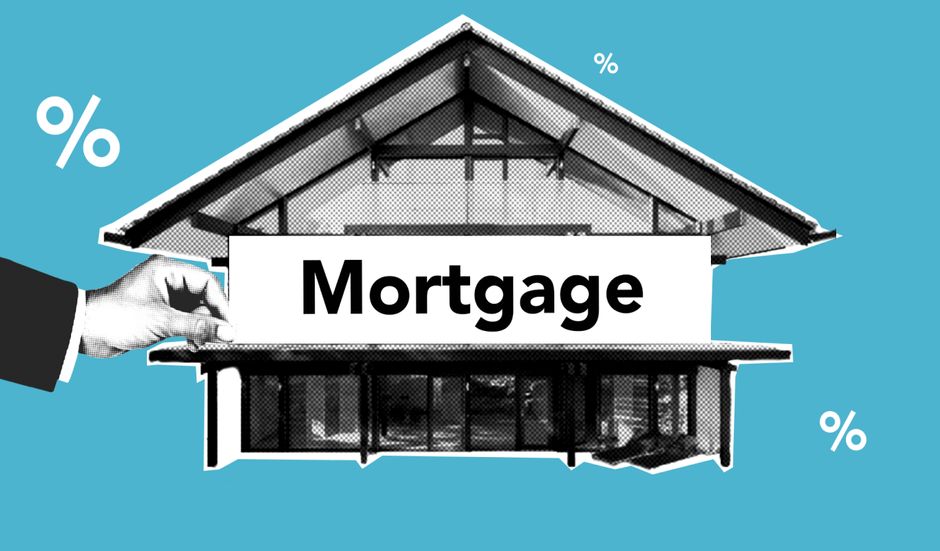
- Mortgage Affordability: Higher mortgage rates mean that the monthly payment for the same loan amount increases. This reduces purchasing power for prospective homebuyers, as they can afford less house for the same monthly payment, or they must pay more for the same house. This can cool down a hot housing market, potentially leading to slower price appreciation or even price declines in some areas.
- Refinancing: If you’re considering refinancing your mortgage, rising rates mean that you’ll likely secure a higher rate than you might have a year or two ago. This makes refinancing less attractive unless you’re doing it to shorten your loan term significantly or tap into equity for a specific purpose.
Actionable Steps to Navigate Rising Interest Rates
Understanding the “what” and “why” is just the first step. Here are concrete actions you can take to protect and improve your financial situation when interest rates are on the rise:
1. Prioritize High-Interest Debt Repayment
With credit card APRs and variable loan rates increasing, carrying balances becomes more expensive. Focus on aggressively paying down your highest-interest debts first. This could be credit card debt, a HELOC, or a variable-rate personal loan.
- Create a Debt Payoff Plan: Use strategies like the “debt snowball” (pay off smallest balance first for motivation) or “debt avalanche” (pay off highest interest rate first to save money). The latter is generally more financially efficient in a rising rate environment.
- Consider a Balance Transfer: If you have excellent credit, you might be able to transfer high-interest credit card debt to a new card with a 0% introductory APR. Be sure you can pay off the balance before the promotional period ends, as rates often jump significantly afterward. Watch out for balance transfer fees.
- Explore Debt Consolidation: For multiple debts, a fixed-rate debt consolidation loan could offer a lower overall interest rate and a single, predictable monthly payment. However, ensure the new loan’s interest rate is truly lower than your current weighted average and that you’re not extending your repayment period unnecessarily.
2. Review and Optimize Your Savings
While rising rates make borrowing more expensive, they offer an opportunity to earn more on your savings.
- Shop for High-Yield Savings Accounts (HYSAs): Don’t let your cash sit in a traditional bank account earning next to nothing. Online banks often offer significantly higher interest rates on savings accounts and money market accounts. Transfer your emergency fund and other short-term savings to an HYSA to maximize your returns.
- Consider CDs for Longer-Term Savings: If you have money you won’t need for a few months or years, look into Certificates of Deposit. In a rising rate environment, “CD ladders” can be a smart strategy: invest in CDs with staggered maturity dates (e.g., a 6-month, 1-year, and 2-year CD). As each CD matures, you can reinvest the money into a new CD at the then-current (and potentially higher) interest rate.
- Build Your Emergency Fund: A robust emergency fund (3-6 months of essential living expenses) is always crucial, but even more so when economic conditions are uncertain and the cost of debt is rising.
3. Assess Your Mortgage and Housing Situation
Your home is likely your largest asset and your mortgage your largest debt.
- Understand Your Mortgage Type: If you have an adjustable-rate mortgage (ARM), be prepared for potential payment increases. Review your loan documents to understand when your rate will adjust and by how much.
- Evaluate Refinancing (Carefully): While current rates might be higher than a few years ago, if you have a very high variable rate loan or an older fixed-rate mortgage that’s significantly above current offerings, refinancing to a new fixed rate could still be beneficial for stability. However, for most, refinancing may not be advantageous in a rising rate environment unless you’re shortening the term or removing mortgage insurance.
- Homebuyers: If you’re in the market for a home, understand that your purchasing power might be reduced. Factor higher interest rates into your budget and be realistic about what you can afford. Getting pre-approved helps you lock in a rate for a certain period.
4. Rebalance Your Investment Portfolio
Rising interest rates can cause shifts in different asset classes.
- Review Your Asset Allocation: Ensure your portfolio’s mix of stocks, bonds, and cash still aligns with your risk tolerance and financial goals. You might consider reducing exposure to highly speculative growth stocks that rely heavily on future earnings, which are discounted more heavily by higher interest rates.
- Consider Short-Term Bonds: While existing long-term bonds may decline in value, short-term bonds and bond funds are generally less sensitive to interest rate changes. For new bond investments, short-term bonds can be a way to capture higher yields without as much interest rate risk.
- Diversify: A well-diversified portfolio across different sectors and asset classes is always important, but especially so during periods of economic transition. Don’t put all your eggs in one basket.
5. Review Your Budget and Spending Habits
With the cost of borrowing increasing and inflation generally making everything more expensive, it’s a prime time to scrutinize your budget.
- Track Your Spending: Understand exactly where your money is going. Use budgeting apps, spreadsheets, or even pen and paper.
- Identify Areas for Cuts: Look for non-essential expenses that can be reduced or eliminated. This could be cutting back on dining out, subscription services you rarely use, or impulse purchases.
- Increase Income (If Possible): Explore ways to boost your income, whether through a side hustle, asking for a raise, or selling unused items. Extra income can help offset increased costs and accelerate debt repayment.
Final Thoughts on Navigating a Changing Rate Environment
The prospect of rising interest rates might feel like yet another financial challenge, but it’s also an opportunity to re-evaluate your financial health and make proactive adjustments. By understanding how rising interest rates affect your everyday finances and taking concrete steps to manage your debt, optimize your savings, and strategically adjust your investments, you can maintain control and even find new opportunities.
Staying informed and being proactive are your best tools in any economic climate. What steps are you considering to adapt your finances to a rising interest rate environment? Share your thoughts and strategies in the comments below!