
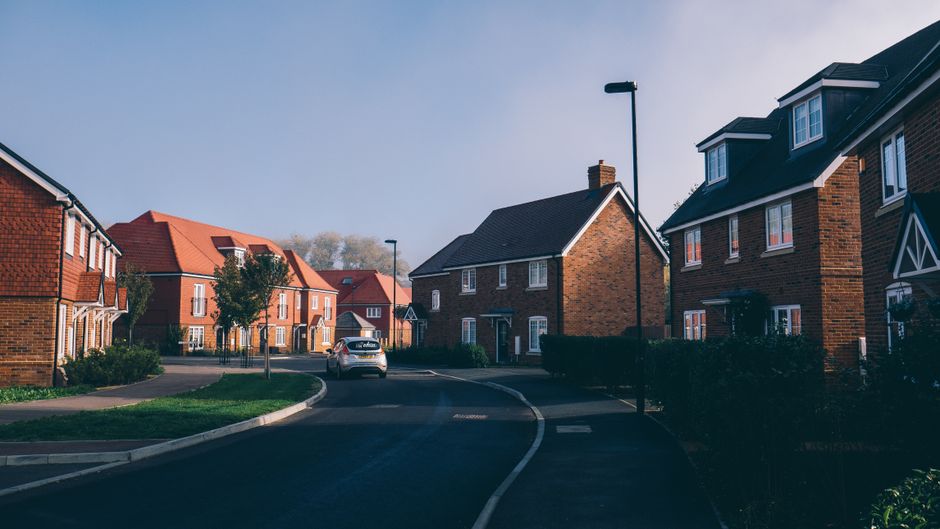
For many Americans, housing is the single largest expense, often consuming a third or more of their monthly income. This significant drain on your finances can make it feel impossible to save for the future, pay down debt, or simply enjoy life without constant financial stress. Imagine what you could do if a substantial portion of that housing burden was lifted, freeing up hundreds or even thousands of dollars every month.
The dream of significantly reducing or even eliminating your housing payment isn’t just for the ultra-wealthy or those inheriting property. It’s an achievable goal for everyday people through a smart strategy known as “house hacking.” This approach transforms your primary residence from a money pit into a money-making asset, allowing you to live for (almost) free or at least drastically cut your housing expenses.
What Exactly is House Hacking?
At its core, house hacking means buying a property and then using a portion of that property to generate income, offsetting your mortgage and other housing-related costs. The goal is to make your primary residence an income-producing asset rather than just a liability. While the term might sound intimidating, the concept is quite straightforward and has been practiced in various forms for generations.
The beauty of house hacking is its versatility. It’s not a one-size-fits-all solution but a collection of strategies that can be adapted to different property types, financial situations, and personal preferences. The ultimate aim is to minimize or even eliminate your personal housing expense, allowing you to redirect those funds towards other financial goals, whether that’s early retirement, aggressive debt repayment, or building substantial wealth.
Why House Hacking Can Transform Your Finances
Think about the domino effect of reducing your largest monthly expense. If your mortgage, property taxes, and insurance are largely covered by income from your property, you suddenly have a significant surplus in your budget. This extra cash flow can accelerate your financial journey in numerous ways:
- Accelerated Debt Repayment: Pay off credit cards, student loans, or car notes much faster.
- Boosted Savings: Rapidly build an emergency fund, save for a down payment on your next investment property, or fund a significant life goal.
- Increased Investment Power: Direct more money into retirement accounts, brokerage accounts, or other wealth-building vehicles.
- Financial Freedom: Gain more flexibility and reduce financial stress, potentially allowing you to pursue career changes, travel, or other passions without the constant pressure of a hefty housing bill.
- Build Equity Faster: As you pay down your mortgage (even if someone else is helping you pay it), you’re building equity in a valuable asset.
Beyond the immediate financial benefits, house hacking also provides an invaluable education in real estate investing. You’ll learn about property management, tenant relations, maintenance, and local market dynamics, all while living on-site. This hands-on experience can be a stepping stone to building a larger real estate portfolio.
Concrete Strategies for House Hacking Your Home
There are several popular and effective ways to house hack. Each has its own benefits and considerations, so it’s important to evaluate which strategy best fits your lifestyle, local market, and financial capacity.
1. The Multi-Unit Property Play
This is arguably the most classic and often the most financially impactful house hacking strategy. It involves purchasing a duplex, triplex, or fourplex (a property with 2 to 4 separate living units). You live in one unit and rent out the remaining units to tenants.
How it works: You secure a mortgage for the entire multi-unit property. The rental income from the other units then goes towards covering your total mortgage payment, property taxes, insurance, and maintenance costs. In many cases, the rent from two or three units can entirely cover or significantly reduce your portion of these expenses.
Key Advantages:
- Significant Income Potential: The more units you have, the higher the potential rental income.
- Favorable Financing: Loans for owner-occupied multi-unit properties (up to four units) often qualify for residential mortgage rates, which are typically lower and have more lenient down payment requirements than commercial loans. FHA loans, for example, allow you to purchase a duplex, triplex, or fourplex with as little as 3.5% down, provided you intend to live in one of the units.
- Built-in Property Management Experience: Living on-site means you’re readily available for maintenance issues and tenant concerns, giving you direct experience in property management.
Considerations:
- Neighbor Proximity: You’ll be living next to your tenants, which requires a certain level of comfort with proximity and boundaries.
- Initial Investment: While financing can be favorable, purchasing a multi-unit property generally requires a larger upfront investment than a single-family home.
- Market Availability: Multi-unit properties aren’t available in every neighborhood, and competition can be stiff in desirable areas.
2. The Single-Family Home with Roommates
This is a very accessible entry point into house hacking, especially for first-time homebuyers or those with a tighter budget. You buy a single-family home and rent out spare bedrooms to roommates.
How it works: You purchase a traditional single-family house and then find individuals to rent out your extra bedrooms. Each roommate pays you a monthly rent, which you then use to offset your mortgage payment and utility costs.
Key Advantages:
- Lower Entry Barrier: Single-family homes are generally more affordable and widely available than multi-unit properties, making the initial purchase more accessible.
- Simpler Management: You’re dealing with roommates, often friends or acquaintances, rather than formal tenants with separate leases and utilities.
- Flexibility: You can choose how many rooms to rent out and for how long, offering more control over your living situation.
Considerations:
- Shared Living: You’ll be sharing common spaces (kitchen, living room, bathrooms) with your roommates, which requires compatibility and clear communication.
- Less Income Potential: Generally, renting out individual rooms generates less income than renting out entire separate units.
- Privacy: Your privacy will be reduced compared to living alone or in a multi-unit property where units are fully separate.
3. Accessory Dwelling Units (ADUs) or Basement/Garage Conversions
This strategy involves adding a separate, rentable living space to an existing single-family property or converting a part of your current home into a self-contained unit. ADUs are often small, independent residential units located on the same lot as a single-family home, such as a backyard cottage or a converted garage.
How it works: You purchase a single-family home with the potential to add an ADU (if zoning allows) or convert an existing space like a basement, attic, or detached garage into a legal, rentable apartment. You then live in the main house and rent out the newly created unit.
Key Advantages:
- Increased Property Value: Adding an ADU or converting a space can significantly boost your property’s overall value.
- Privacy for Both Parties: ADUs and well-designed conversions offer more separation and privacy than sharing a single-family home with roommates.
- Long-Term Income: Once the conversion is complete, you have a steady stream of rental income for years to come.
- Flexibility in Use: An ADU can also serve as a guesthouse, in-law suite, or home office if you decide to stop renting it out.
Considerations:
- Significant Upfront Cost and Time: Building an ADU or undertaking a major conversion can be expensive and time-consuming, requiring permits, construction, and compliance with local building codes.
Zoning and Regulations: ADU regulations vary widely by city and county. It’s crucial to research local zoning laws, permit requirements, and homeowner association rules before* purchasing a property or planning a conversion.
- Financing Challenges: Financing for ADU construction can be more complex than a standard home purchase, often requiring a construction loan or home equity loan.
4. Short-Term Rentals (Airbnb/VRBO)
This strategy involves renting out a portion of your primary residence, or even the entire home when you’re away, on a short-term basis through platforms like Airbnb or VRBO.
How it works: You can rent out a spare bedroom, a converted basement apartment, or even your entire home for short periods (days or weeks) to travelers. The income generated from these short-term stays helps cover your housing costs.
Key Advantages:
- High Income Potential: Short-term rentals often command higher nightly rates than long-term rentals, especially in tourist destinations or cities with high event traffic.
- Flexibility: You have control over your calendar, choosing when and for how long to host.
- Meet New People: Many hosts enjoy the social aspect of meeting travelers from around the world.
Considerations:
- Intensive Management: Short-term rentals require much more active management, including cleaning, guest communication, check-ins/check-outs, and addressing issues promptly.
- Local Regulations: Many cities have strict regulations, taxes, and licensing requirements for short-term rentals, and some even ban them entirely. Research local laws thoroughly.
- Income Volatility: Income can fluctuate significantly based on seasonality, local events, and economic conditions.
- Privacy and Security: You’re having different guests in your home regularly, which requires a comfort level with varying levels of privacy and security concerns.
Essential Steps Before You Start House Hacking
Before diving into house hacking, careful planning and due diligence are crucial.
1. Research Your Local Market Thoroughly
Understanding your local real estate and rental markets is paramount.
- Rental Demand: Are there enough potential tenants or short-term renters in your area to support your strategy? What are typical rental rates for rooms, units, or short-term stays?
- Property Values: How much do multi-unit properties, single-family homes, or homes with ADU potential cost in your desired neighborhoods?
- Zoning Laws: This is especially critical for multi-unit properties and ADUs. What are the specific regulations regarding property use, maximum occupancy, and permitted structures in your target areas? Check with your city’s planning department.
- Lender Requirements: Some lenders have specific requirements for owner-occupied multi-unit properties.
2. Get Your Finances in Order
House hacking still requires a significant financial commitment up front.
- Credit Score: A strong credit score (generally 620+ for conventional, 580+ for FHA) will get you the best interest rates.
- Down Payment: While FHA loans offer low down payment options (3.5% for 1-4 units), having more saved can reduce your monthly payments and increase your equity faster. Conventional loans typically require 5-20% down.
- Emergency Fund: Beyond your down payment, ensure you have an emergency fund for unexpected home repairs or periods of vacancy. Aim for at least 3-6 months of living expenses.
- Debt-to-Income Ratio (DTI): Lenders will scrutinize your DTI. Work to pay down high-interest debt before applying for a mortgage.
3. Understand the Commitment and Responsibilities
Being a landlord, even to roommates, comes with responsibilities.
- Time Commitment: Managing tenants, handling maintenance, and dealing with vacancies takes time and effort.
- Legal Responsibilities: Familiarize yourself with fair housing laws, tenant rights, and landlord obligations in your state and locality.
- Tenant Screening: Develop a robust screening process to find reliable and responsible tenants. This includes background checks, credit checks, and reference calls.
- Emotional Preparedness: Be ready to handle potential conflicts, late payments, or property damage. It’s a business relationship, even if it’s in your home.
Living the Dream of Lower Housing Costs
House hacking is more than just a real estate strategy; it’s a mindset shift that empowers you to take control of your financial future. By transforming your primary residence from a major expense into a significant asset, you unlock incredible opportunities for wealth building, debt reduction, and financial freedom.
Imagine waking up knowing your biggest bill is largely covered, or perhaps even fully offset. This newfound financial breathing room can be a game-changer, allowing you to invest in experiences, pursue passions, or simply enjoy a less stressful life. While it requires effort and diligence, the rewards of house hacking your way to lower housing costs are substantial and enduring.
Have you ever considered house hacking, or are you currently doing it? Share your thoughts and experiences in the comments below!