
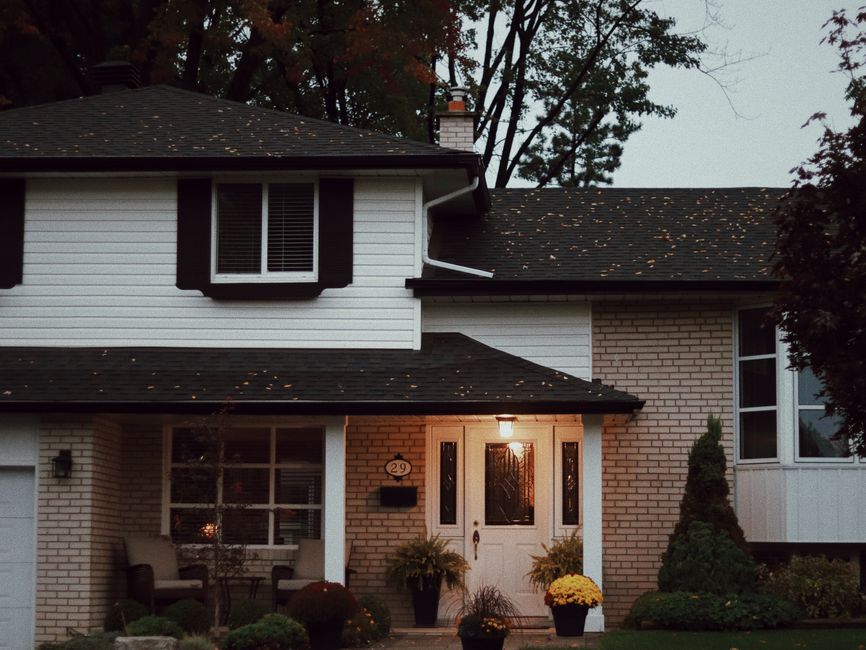
Your home is likely your biggest asset and the heart of your daily life. It’s where memories are made, where you relax after a long day, and where your most valuable possessions reside. Thinking about what could go wrong isn’t pleasant, but understanding how to protect this crucial investment is simply smart financial planning.
That’s where homeowners insurance comes in. It’s not just a bill you pay; it’s a safety net designed to protect you from the unexpected, turning potential financial disasters into manageable inconveniences. But what exactly does homeowners insurance cover, and how does it actually work to safeguard your sanctuary and your wallet? Let’s break it down.
At its core, homeowners insurance provides financial protection against damage to your home and belongings, and liability for injuries or damages you or your family members cause to other people. Most standard homeowners insurance policies, often referred to as HO-3 policies, are “open perils” for your dwelling and “named perils” for your personal property. This means your home’s structure is covered against all perils unless specifically excluded, while your personal belongings are covered only for the specific risks listed in your policy.
The Pillars of Homeowners Insurance Coverage
A typical homeowners insurance policy is broken down into several key coverage areas, each designed to protect a different aspect of your home and financial well-being.
Dwelling Coverage (Coverage A)
This is the heart of your policy, covering the physical structure of your house itself. This includes the roof, walls, foundation, attached garage, and other structures permanently attached to your home. It also covers things like built-in appliances (e.g., your furnace, water heater).
- What it covers: Damage from perils like fire, windstorms, hail, lightning, vandalism, and sometimes even falling objects.
- How it works: If your home is damaged by a covered event, your insurer will pay to repair or rebuild it, up to the coverage limit you select. This limit should ideally be enough to completely rebuild your home from the ground up at current construction costs, not just its market value.
Other Structures Coverage (Coverage B)
This coverage extends to structures on your property that are not attached to your main dwelling.
- What it covers: Detached garages, sheds, fences, gazebos, and even a standalone swimming pool structure.
- How it works: Typically, this coverage is set as a percentage (e.g., 10%) of your dwelling coverage. So, if your dwelling is covered for $300,000, you might have $30,000 in coverage for other structures.
Personal Property Coverage (Coverage C)
This protects the contents of your home – your personal belongings.
- What it covers: Furniture, clothing, electronics, appliances (not built-in), jewelry, artwork, and just about anything else you own that isn’t part of the house structure. This coverage often extends beyond your home, protecting your belongings even if they’re stolen from your car or a hotel room while on vacation.
- How it works: You’ll typically choose between “actual cash value” (ACV) or “replacement cost value” (RCV).
* Actual Cash Value (ACV): Pays out the depreciated value of your items. If your 5-year-old laptop is stolen, you’d get what it’s worth today, not what a new one costs.
* Replacement Cost Value (RCV): Pays to replace your damaged or stolen items with new ones, without deduction for depreciation. This offers better protection but comes with a higher premium.
- Special Limits: Be aware that certain valuable items like jewelry, furs, firearms, and collectibles often have special sub-limits. If you have expensive items in these categories, you may need to purchase a “floater” or “endorsement” to get adequate coverage.
Loss of Use Coverage (Coverage D)
Also known as “additional living expenses,” this is a crucial but often overlooked part of your policy.
- What it covers: If your home becomes uninhabitable due to a covered peril (e.g., a fire), this coverage pays for the additional costs you incur to maintain your normal standard of living. This includes hotel stays, meals eaten out, temporary rental costs, and even pet boarding fees.
- How it works: It covers expenses above and beyond your normal living costs, for a specified period or up to a certain limit.
Personal Liability Coverage (Coverage E)
This protects you financially if you’re found legally responsible for bodily injury or property damage to someone else.
- What it covers: If a guest slips and falls on your icy walkway, your dog bites a neighbor, or your child accidentally breaks a neighbor’s window, this coverage can pay for their medical bills, lost wages, or repair costs. It also covers legal defense costs if you’re sued.
- How it works: You choose a liability limit (e.g., $100,000, $300,000, or $500,000). If a claim exceeds this limit, you’re personally responsible for the rest. Many financial advisors recommend at least $300,000, and for higher net worth individuals, an umbrella policy can provide additional liability protection.
Medical Payments Coverage (Coverage F)
This is a smaller, no-fault coverage for minor injuries.
- What it covers: Medical expenses for guests who are injured on your property, regardless of who was at fault.
- How it works: It’s designed for small claims, like a guest needing a few stitches, to avoid larger liability claims. Limits are typically low, such as $1,000 or $5,000.
What Homeowners Insurance Typically Does NOT Cover
Just as important as knowing what’s covered is understanding what isn’t. Standard homeowners insurance policies have common exclusions:
- Flooding: Damage from floods (rising water, storm surge, overflowing rivers) is almost always excluded. You need a separate flood insurance policy, often through the National Flood Insurance Program (NFIP), or a private insurer.
- Earthquakes: Similar to floods, earthquake damage requires a separate policy or endorsement.
- Maintenance Issues: Damage resulting from neglect or a lack of proper home maintenance (e.g., a leaky roof you ignored for years) is not covered.
- Pest Infestations: Damage from termites, rodents, or other pests is generally not covered.
- Sewer Backup: While some policies offer an endorsement for sewer or drain backup, it’s not standard.
- War and Nuclear Hazards: These are standard exclusions.
Practical Steps to Get the Right Homeowners Insurance Coverage
Understanding what homeowners insurance covers is the first step. Here’s how to ensure you have the right protection for your home and finances:
1. Accurately Assess Your Home’s Rebuilding Cost, Not Market Value
Don’t confuse your home’s market value (what it would sell for) with its rebuilding cost (what it would cost to reconstruct it from the ground up). Rebuilding costs include materials, labor, debris removal, and permits, which can fluctuate significantly. Your insurance agent can help you calculate an accurate rebuilding cost, or you can use online calculators. Underinsuring your home could leave you financially devastated after a total loss.
2. Take a Home Inventory and Choose the Right Personal Property Coverage
Walk through your home and document your belongings. Take photos or videos, and keep receipts for major purchases. Store this inventory in a secure, off-site location (like cloud storage). This is invaluable if you ever need to file a claim. Decide whether Actual Cash Value (ACV) or Replacement Cost Value (RCV) is right for your personal property. RCV is generally recommended for better protection, even if it means a slightly higher premium. Review special limits for valuable items and consider a “floater” if needed.
3. Understand Your Deductible and Liability Limits
Your deductible is the amount you pay out of pocket before your insurance kicks in. A higher deductible typically means a lower premium, but ensure you can comfortably afford to pay it if you need to file a claim. For liability, consider your assets and potential risks. A higher liability limit provides more financial protection if you’re sued. If you have significant assets, an umbrella policy adds an extra layer of liability coverage above and beyond your homeowners and auto policies.
4. Ask About Discounts and Bundle Your Policies
Many insurers offer discounts for things like having a security system, smoke detectors, fire extinguishers, being a non-smoker, having a new roof, or even for being a loyal customer. One of the most common ways to save is by bundling your home and auto insurance policies with the same provider. Always ask your agent about all available discounts.
5. Review Your Policy Annually and Update as Needed
Your life changes, and so should your insurance. Have you made significant renovations? Purchased expensive new furniture or electronics? Added a dog to the family? Your coverage needs might have changed. Schedule an annual review with your insurance agent to discuss any life changes and ensure your policy still offers adequate protection. Don’t wait until you need to file a claim to discover you’re underinsured.
Disclosure: This post contains affiliate links. If you buy through them, we may earn a small commission at no extra cost to you.
🔧 Recommended Tool
SimpliSafe 8 Piece Wireless Home Security System — A highly recommended pick to help you on your financial journey.
Check Price on Amazon →Protecting Your Most Valuable Asset
Homeowners insurance is more than just a requirement from your mortgage lender; it’s a vital financial tool that provides peace of mind. By understanding what homeowners insurance covers and taking proactive steps to tailor your policy, you’re building a stronger financial foundation for your home and family. It’s an investment in your future security, ensuring that when the unexpected happens, you have a solid plan to recover.
What aspects of homeowners insurance have you found most confusing or surprisingly helpful? Share your experiences in the comments below!